
By Cessna Owner Staff
If you fly long enough, chances are you’ll experience a bird strike—or come uncomfortably close to one. For pilots of Cessna and Piper aircraft, bird strikes are not rare, dramatic events reserved for airliners on the evening news. They are everyday aviation hazards that often go unreported, shrugged off, or accepted as “just part of flying.”
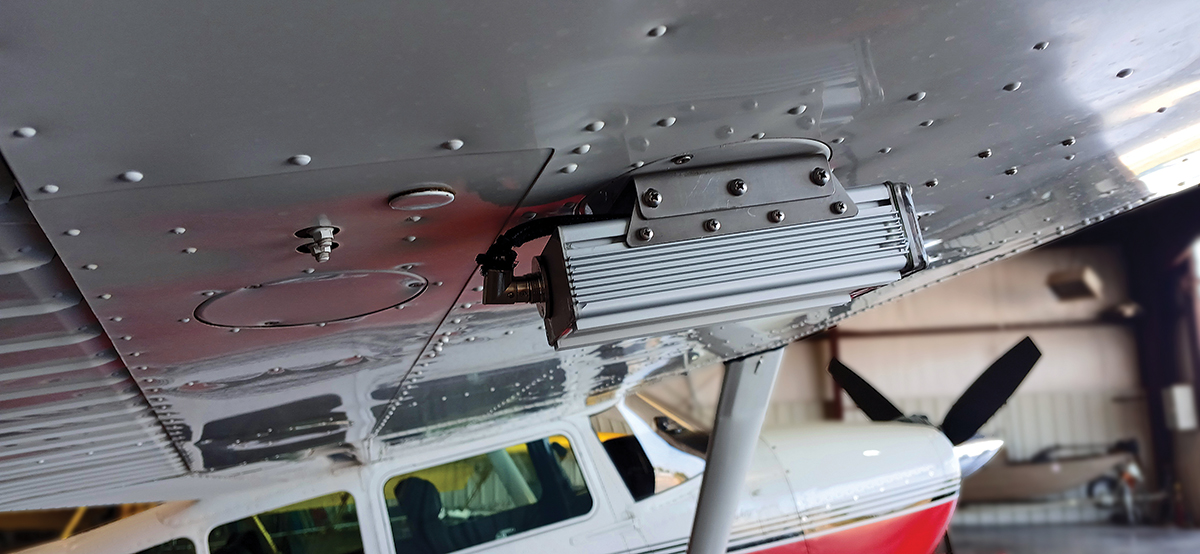
AV Guardian exists for those moments you don’t see coming:
the bird you never spot until it’s too late, the impact you never expected
at cruise altitude, the risk you didn’t think applied to your kind of flying.
But the reality is sobering: single-engine piston aircraft make up one of the largest portions of bird strike reports in the FAA’s wildlife strike database. These airplanes spend much of their time at lower altitudes, during takeoff, climb, approach, and landing—exactly where birds are most active. Even cruise flight is no guarantee of safety. Bird encounters have been documented thousands of feet above the ground, at speeds where avoidance is nearly impossible once a bird is seen.
You Don’t Expect It — Until It Almost Happens
The inspiration for AV Guardian came to Donald Ronning after a friend of his, flying a Cessna 310, was cruising at approximately 3,500 feet and 150 knots when two large birds, likely raptors, passed dangerously close to the aircraft. The near miss was captured on a cockpit video camera. What made the incident unsettling wasn’t just how close it was, but how unexpected it felt. At that altitude and speed, the pilot was not scanning for birds. There was no time to react. Had the timing been slightly different, the result could have been a serious bird strike with consequences ranging from windshield penetration to engine damage.

That sense of surprise is common among single-engine pilots. Many assume bird strikes are limited to the airport environment. In reality, birds routinely operate throughout the same airspace used by light aircraft, especially near water, farmland, and migration corridors.
Bird Strikes Are a Big Deal
In large transport aircraft, bird strike certification, redundant systems, and multi-engine designs help absorb the risk. In a single-engine Cessna or Piper, the margins are thinner. A bird through the windshield, into the propeller, or into the engine intake can quickly escalate from a nuisance to an emergency.
Insurance underwriters are acutely aware of this. While only a fraction of bird strikes cause accidents, the financial impact across general aviation is substantial. Repairs, inspections, and downtime add up, even when the aircraft lands safely. Yet until recently, there has been little a pilot could do proactively once airborne.
What AV Guardian Does
The rest of this article can be seen only by paid members who are logged in.Have a website login already? Log in and start reading now.
Never created a website login before? Find your Customer Number (it’s on your mailing label) and register here.
JOIN HERE
Still have questions? Contact us here.