By Jim Hofer, Aerohoff NDT
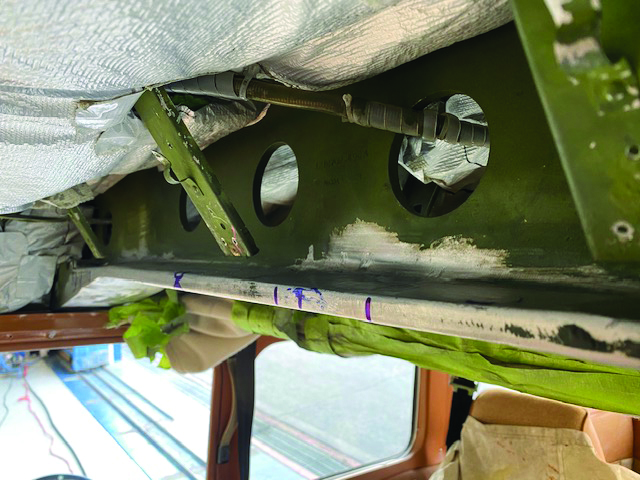
Cessna 210 and 177 aircraft are required to have a special inspection of the carry-thru spar to check for corrosion and cracks. This inspection is mandated by FAA Airworthiness Directives (AD 2020-03-16 and AD 2023-02-17) and Cessna Service Bulletins (SB SEL-57-08 for the 210 and SB SEL-57-09 for the 177).
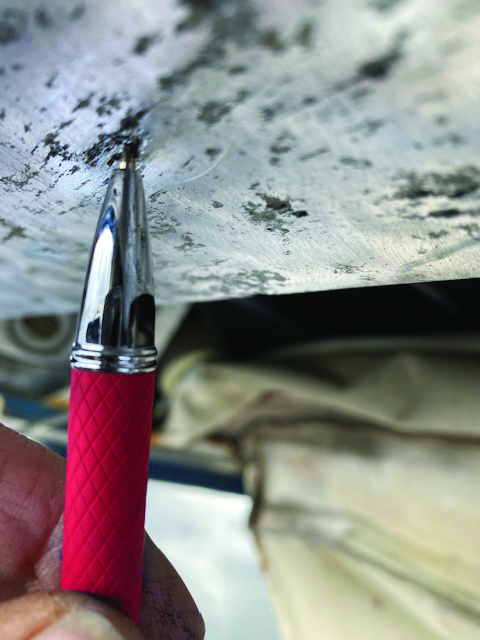
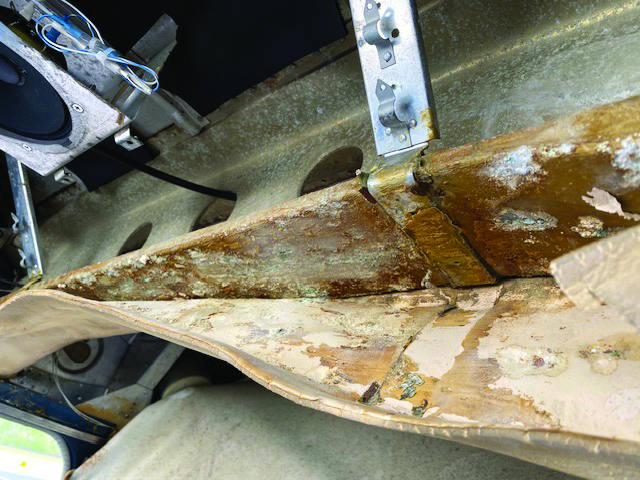
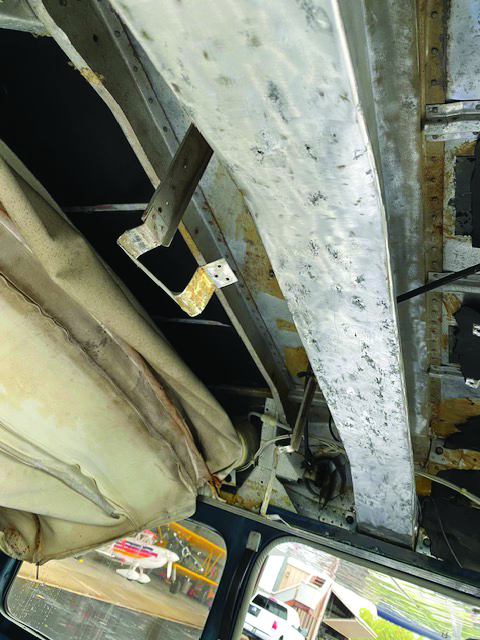
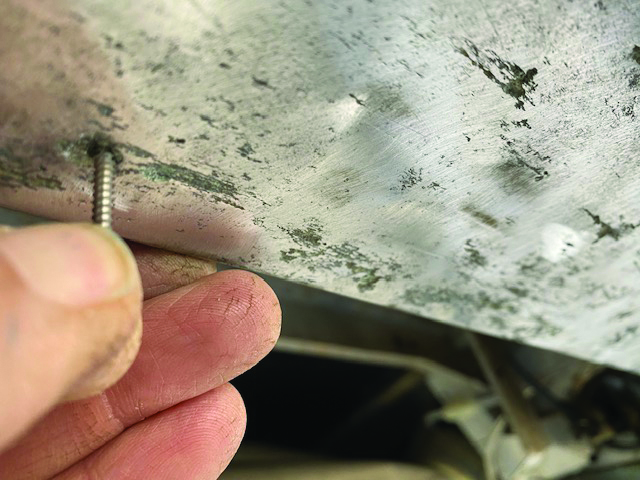
The carry-thru spar is essentially the backbone of the airplane. Over time, moisture and age can cause corrosion to form inside the spar. If corrosion is allowed to continue, small pits can turn into cracks, which could eventually lead to a serious structural failure.
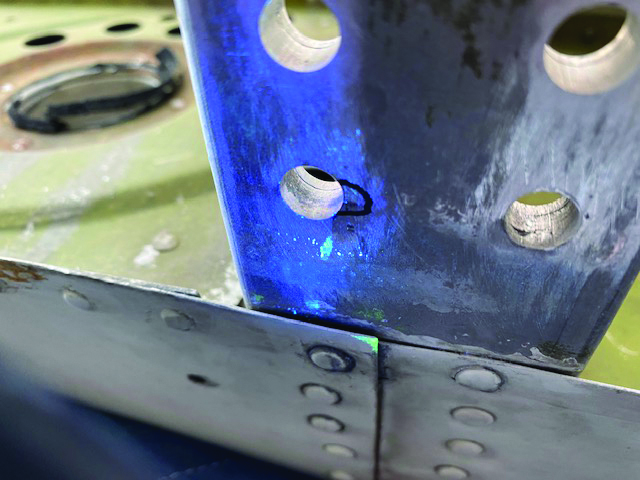
The most critical inspection location is called the “kick area.” This is on both the left and right sides of the lower spar, where the spar changes thickness. This area is always inspected, along with any other spots where corrosion is visible.
A high-frequency eddy current inspection is used because it can detect very small corrosion pits and early cracking that can’t be seen with the naked eye. When corrosion is found, the inspector marks it, and the aircraft’s mechanic carefully removes (blends out) the corrosion. The area is then re-inspected with eddy current. This process repeats until all corrosion is completely removed.
Once corrosion is fully removed, Aerohoff can accept the inspection. At that point, the mechanic measures how much metal was removed. As long as the material loss does not exceed 0.030 inches at the thinnest allowed area, the spar is still considered structurally sound and the aircraft can be returned to service.
In Aerohoff’s experience, 98.7% of aircraft pass this inspection. Only about 1.3% fail, meaning those aircraft had corrosion deep enough that more than the allowable material had to be removed.
Many Cessna 177s and early Cessna 210 models left the factory without zinc chromate corrosion protection, which makes them more prone to corrosion over time. Later 210N models were factory-treated and generally have fewer corrosion issues.
After the inspection and corrosion removal are complete, the spar is coated with zinc chromate, zinc phosphate, or an approved epoxy coating. This protective coating is critical and helps prevent future corrosion from forming.
Bottom Line For Pilots
This inspection is about ensuring the structural integrity of the airplane. Most aircraft pass, corrosion is usually minor, and once properly treated and protected, the spar should remain corrosion-free going forward.
Aerohoff Inspection Services is a mobile NDT lab, offering aviation NDT services worldwide. Located in California, we travel all over the world supporting our commercial airline, aviation, and aerospace clients. We have been performing NDT inspections for over 35 years and work with both metallic and composite structures.
Please contact us to schedule your next NonDestructive Testing (NDT) inspection.
Aerohoff Mobile NDT
FAA Repair Station I9OR058X
Oceanside, CA
760-567-4123
Sales@aerohoff.com
www.aerohoff.com
www.eddycurrentguys.net