By Diana Jones
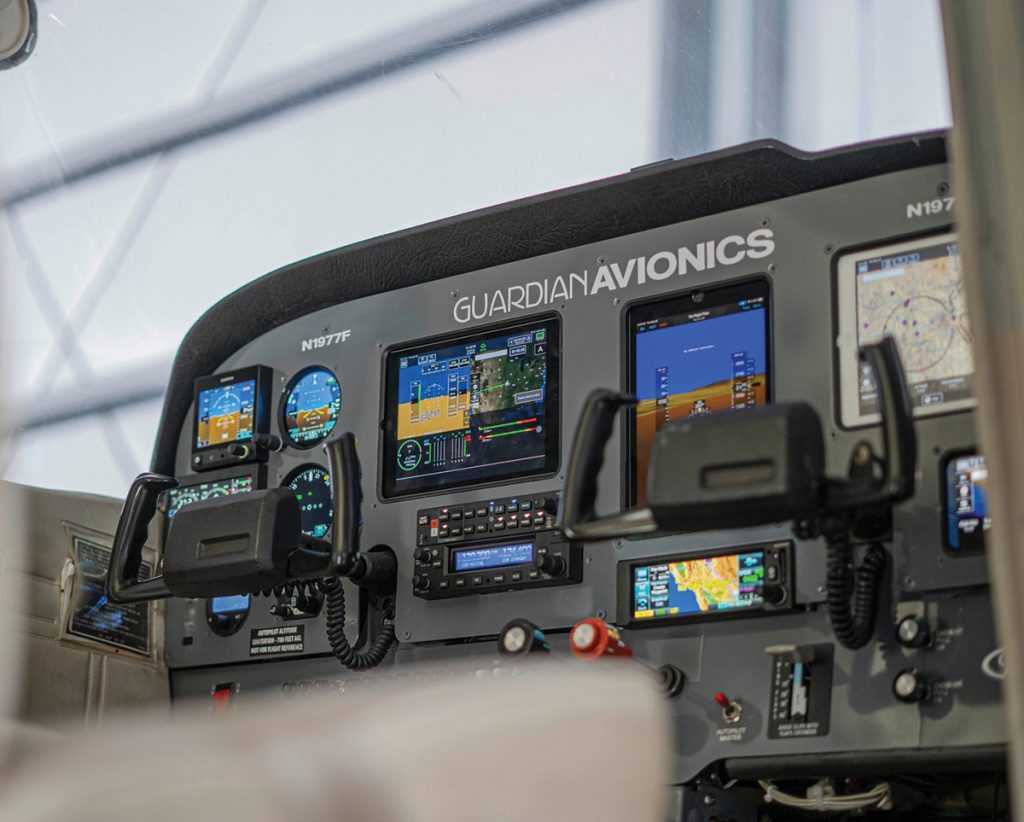
Guardian Avionics has become one of the most recognized names in general aviation safety, best known for its carbon monoxide (CO) detection and cockpit connectivity solutions. Founded out of a personal and life-altering experience, the company has grown from a safety startup into a trusted avionics provider embraced by pilots, aircraft builders, and manufacturers around the world.
The original CO detectors found in older planes … the “Dot” indicators …
can be damaged by the presence of certain gases and harsh, direct sunlight tends to bleach out the indicator spot and shortens its life, and it is very easy to forget that it needs to be replaced once a year.
A Life-Saving Mission
The story of Guardian Avionics begins with its founder, Ash Vij, and a harrowing encounter with carbon monoxide (CO) in flight that deeply influenced him. After experiencing a carbon monoxide emergency in a Cessna 172 while a student pilot, Vij recognized just how insidious and dangerous CO exposure can be in aircraft cabins — odorless, colorless, and potentially fatal before a pilot even realizes anything is wrong. Symptoms may not be obvious that CO is the culprit – headache, fatigue, and/or nausea. If exposed to levels as high as 800 parts per million, death is imminent in two to three hours. If you’re in the air when severe symptoms happen (dizziness, nausea, or convulsions), you may not have time to get the plane on the ground safely. This personal experience spurred him to develop reliable detection solutions that could alert pilots before symptoms became incapacitating.
Driven by that incident, Guardian Avionics was established in 1999 with a focus on addressing CO hazards in general aviation. The company is headquartered in Tucson, Arizona, at Tucson International Airport (KTUS).
CO Detectors
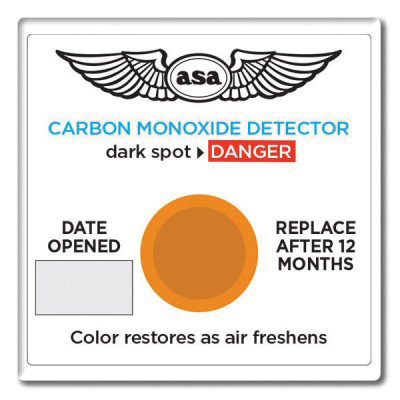
The original CO detectors found in older planes were usually the “Dot” indicators. These chemical, color-changing, detection systems are a sticker that you affix to your panel, that changes color when exposed to carbon monoxide. They usually last for 12 months once removed from the packaging. This method of detection comes with a few caveats — the detector can be damaged by the presence of certain gases and harsh, direct sunlight tends to bleach out the indicator spot and shortens its life, and it is very easy to forget that it needs to be replaced once a year.
Right: ASA’s example of a sticker CO Detector.
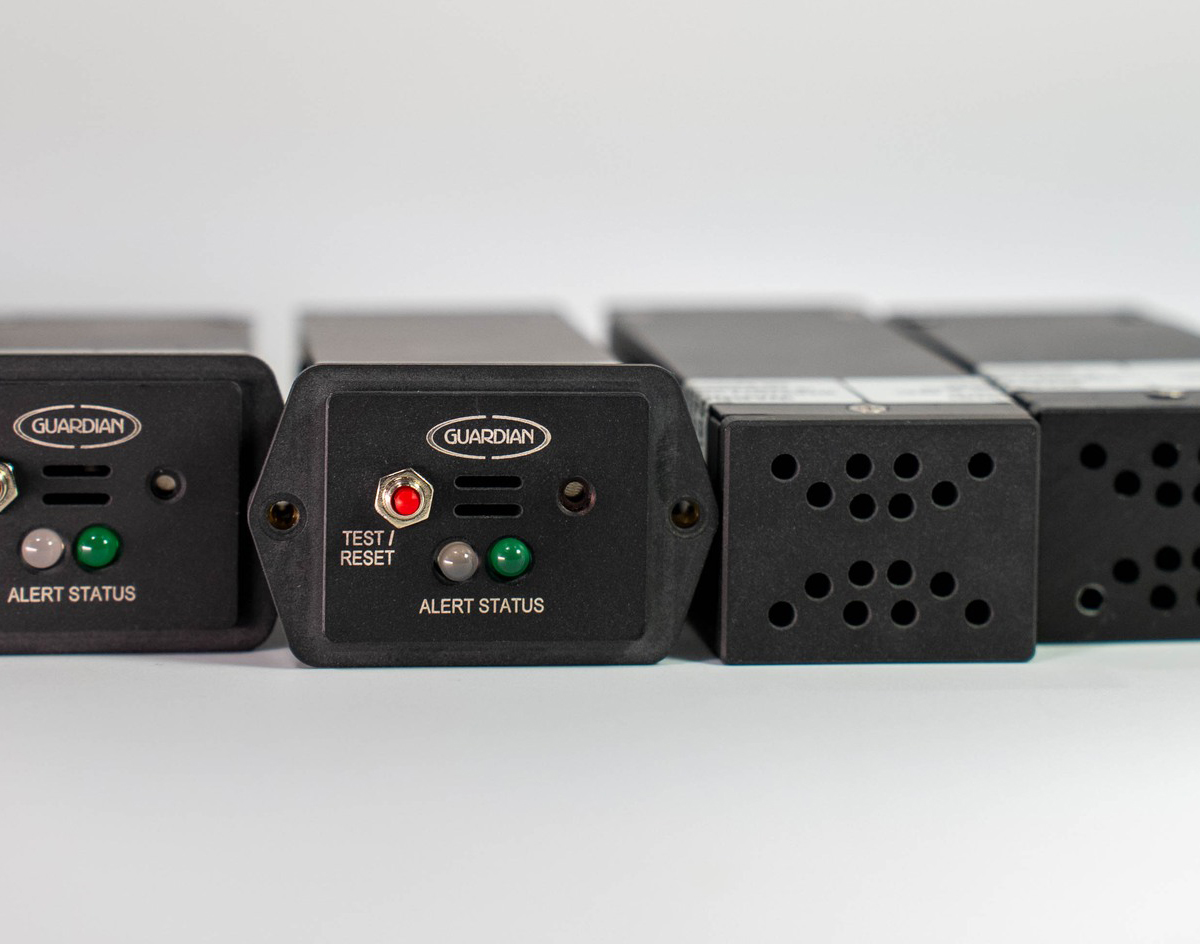
Ash got right to work on creating Guardian’s first CO detector because he knew the need. He spent two years working on a detector that had solid state sensors that triggered an alarm (visual and audio) if the CO levels exceeded 50 parts per million. The product entered the general aviation market in 2001 after obtaining FAA certification.
Over the years, as awareness of carbon monoxide risks increased and the company continued to refine its technology, Guardian’s detectors gained credibility and became widely installed in aircraft. By the mid-2000s and beyond, the company’s CO detectors were being integrated as standard safety equipment on aircraft from major manufacturers like Cessna, Cirrus, Diamond, and Piper, and later widely adopted in both certified and experimental aircraft fleets.
Safety and Connectivity
Guardian Avionics has significantly expanded its product offerings beyond basic CO detection. Its current portfolio includes:
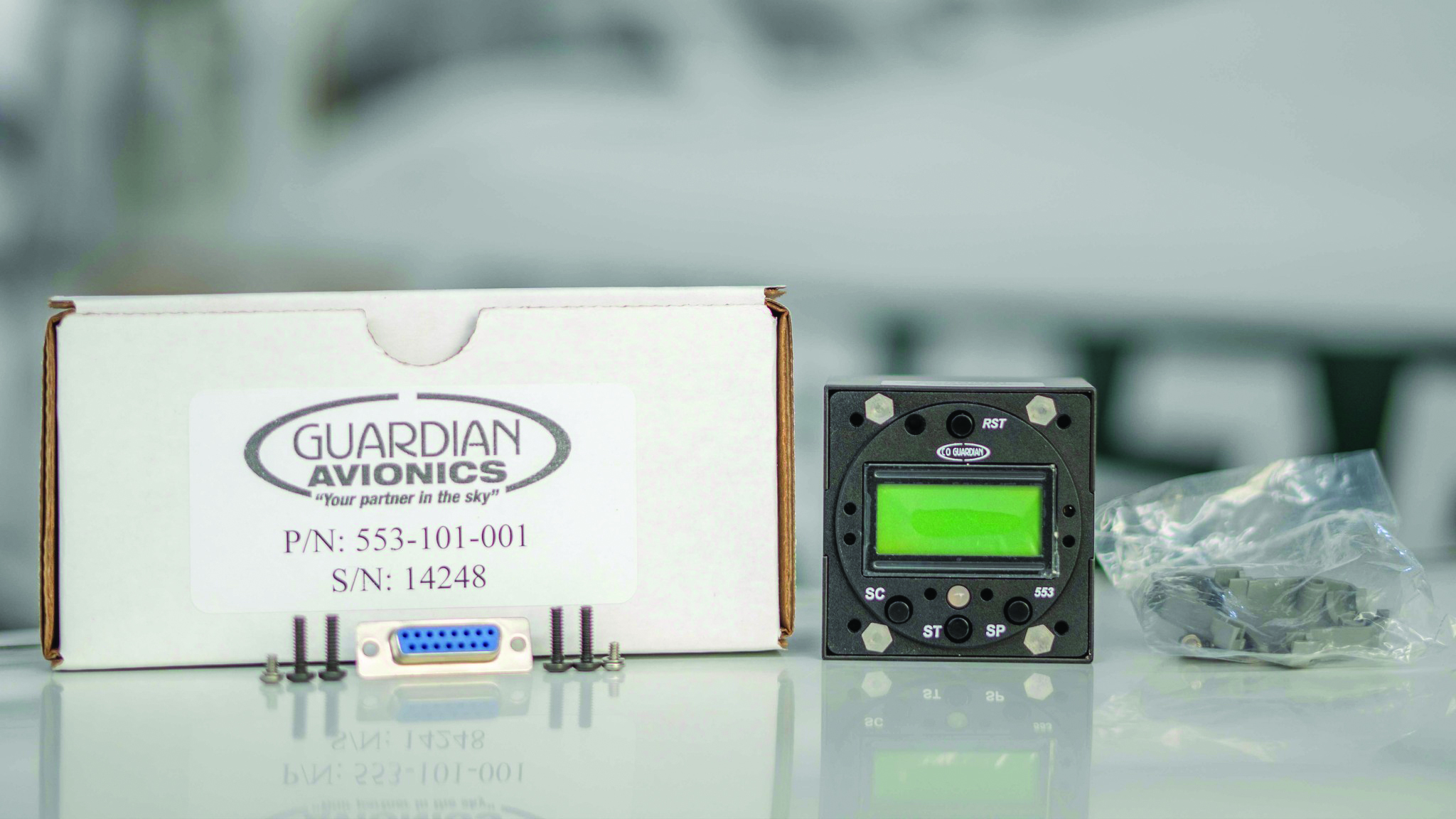
Carbon Monoxide Detectors: Panel-mounted, remote-mounted, and portable CO detectors designed for both certified and experimental/homebuilt aircraft. These systems are engineered to provide early alerts to dangerous CO buildup in the cockpit and cabin.
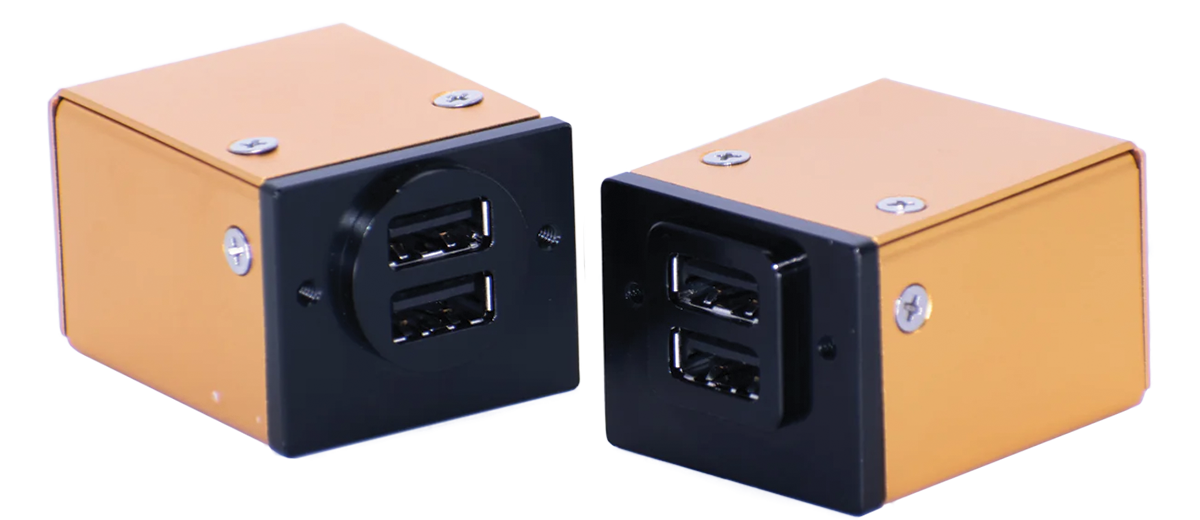
USB Power Solutions: FAA-certified USB charging units that provide reliable power to pilots’ devices without interfering with aircraft systems — useful for powering tablets, phones, and other avionics accessories.
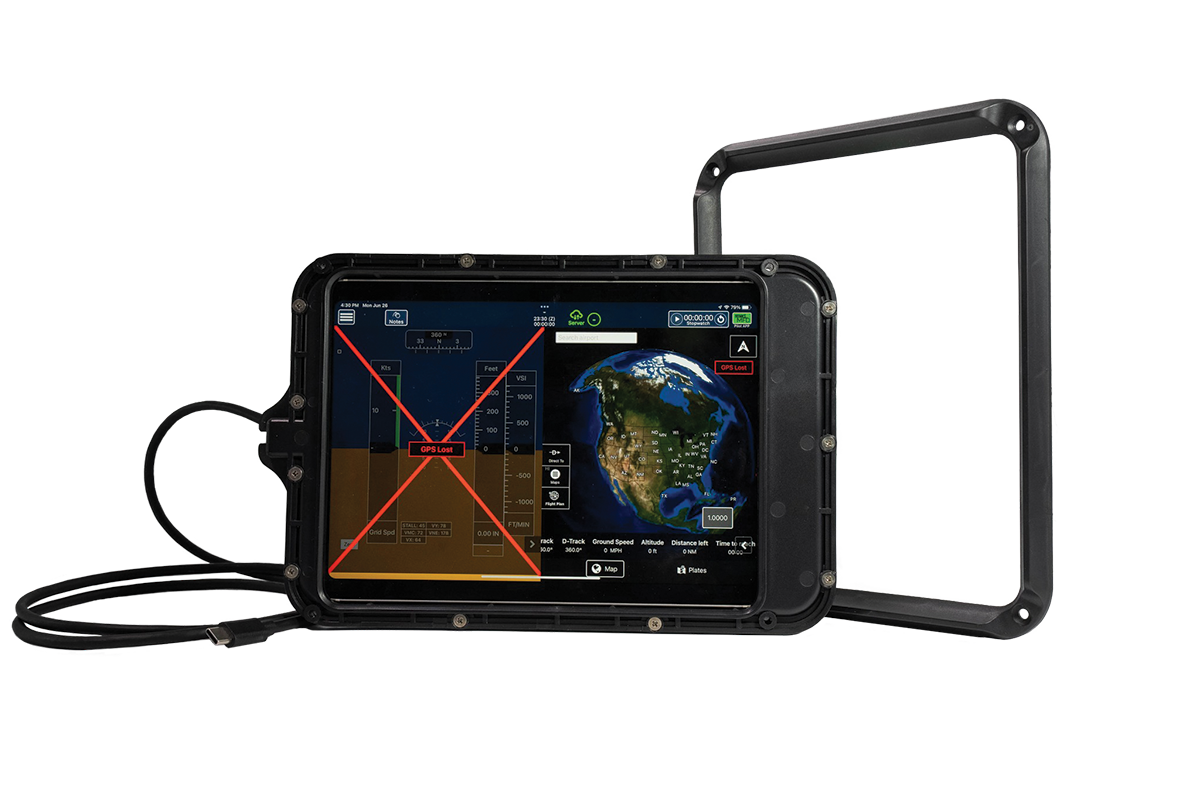
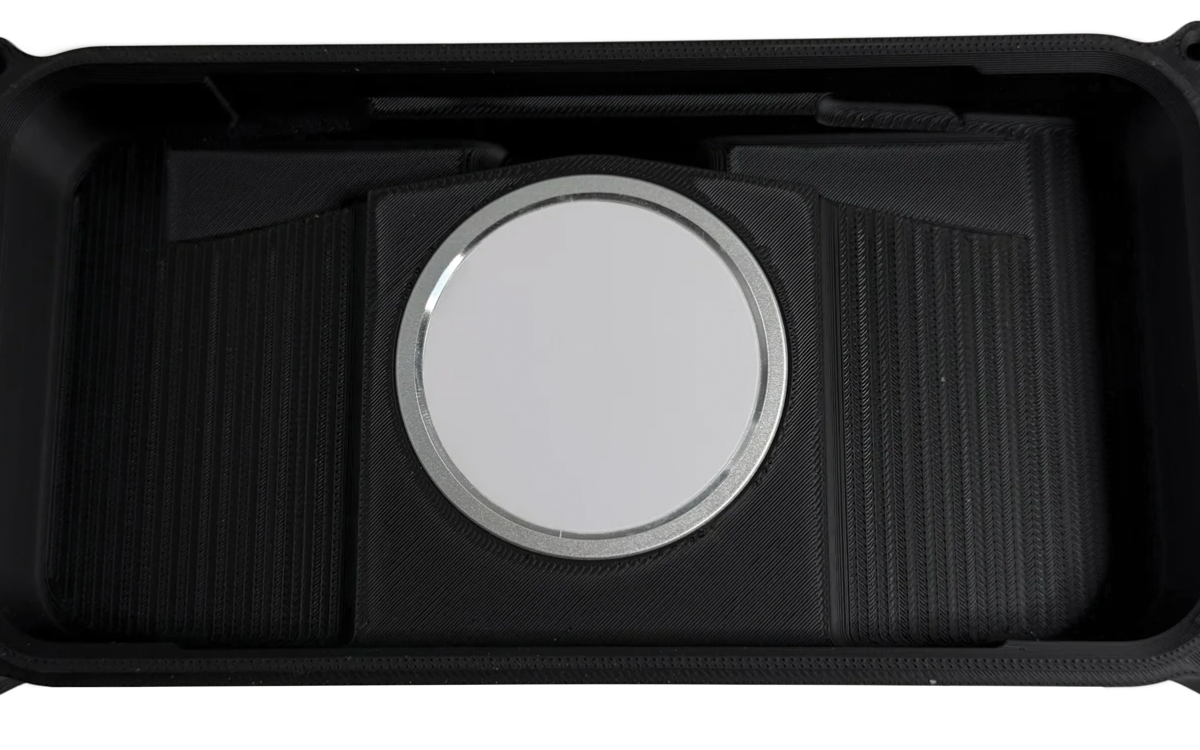
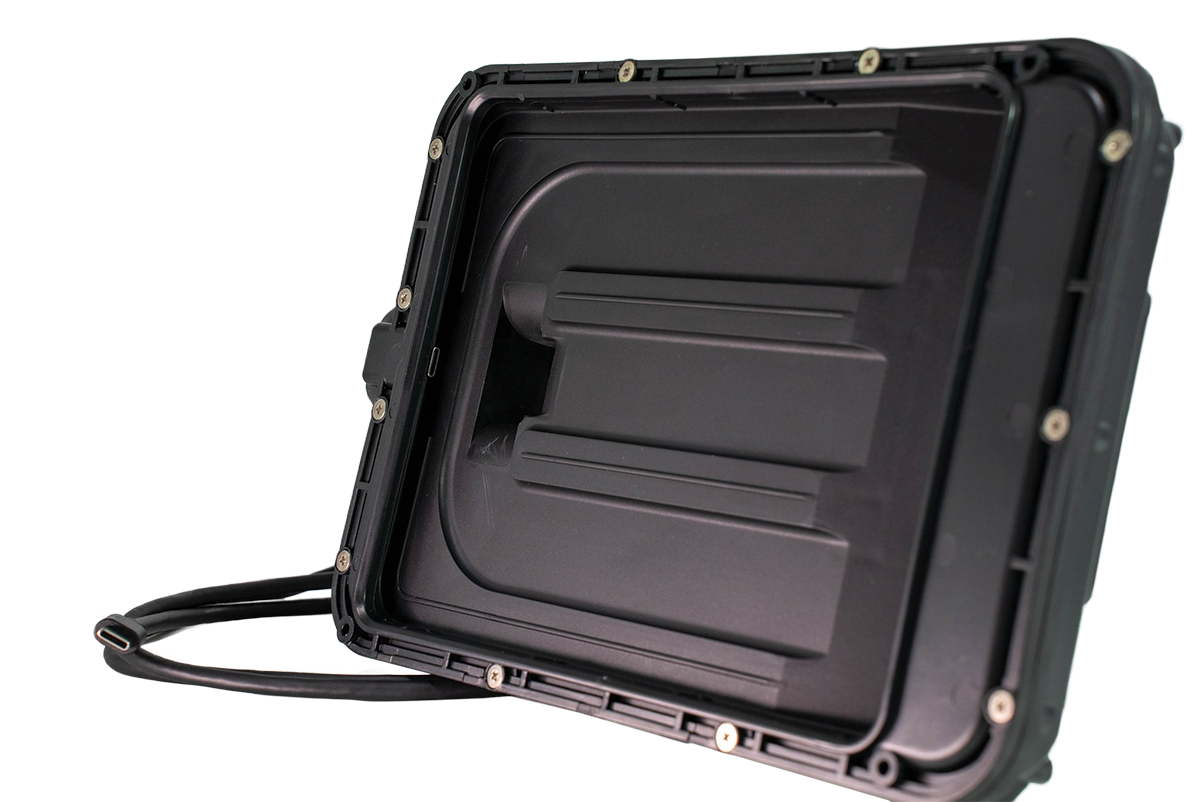
iPad & iPhone Mounts: Flush-mounted docking and panel integration solutions for pilots’ electronic flight bags (EFBs), enabling secure and clean installation of consumer devices in the cockpit.
Integration with Other Avionics
Guardian Avionics products don’t operate in isolation. The company designs its systems with integration in mind, allowing them to work seamlessly with a broad array of avionics gear and cockpit platforms. Notable integration features include:
- Multi-brand avionics compatibility: Guardian’s CO detectors and connectivity modules can interface with major avionics brands such as Garmin, JPI, Dynon, Electronics International (EI), and Grand Rapids Technologies.
- Cockpit display integration: Advanced models transmit CO levels and environmental data to multi-function displays (MFDs), GPS navigators, and other glass cockpit systems, where supported. This connectivity enhances situational awareness and integrates safety alerts into the pilot’s primary panel view.
- Tablet and app ecosystem: Guardian’s “connected cockpit” solutions use RS-232 or wireless links to pass data to mobile devices and apps, enabling features like real-time tracking, flight logging, position information, and more — effectively merging certified detectors with consumer electronics.
These integrations ensure that Guardian’s products enhance rather than compete with existing avionics systems, making safety and convenience part of the broader cockpit environment.
Strong Purpose
Guardian Avionics stands out in general aviation for turning a personal near-tragedy into a mission that focuses on saving lives. Today, Guardian remains a small but influential player in avionics, known for its specialized focus on cockpit safety and integration solutions while maintaining a commitment to simplicity, reliability, and affordability. guardianavionics.com