Many of us are still in the grip of the winter weather, but it won’t be long before spring flying weather will be here. Which means it’s also time to think about avionic upgrades. Maybe you started making changes in the fall so the upgrades were done by spring. If you are like most, it’s when we start flying more that we really get serious about upgrades.
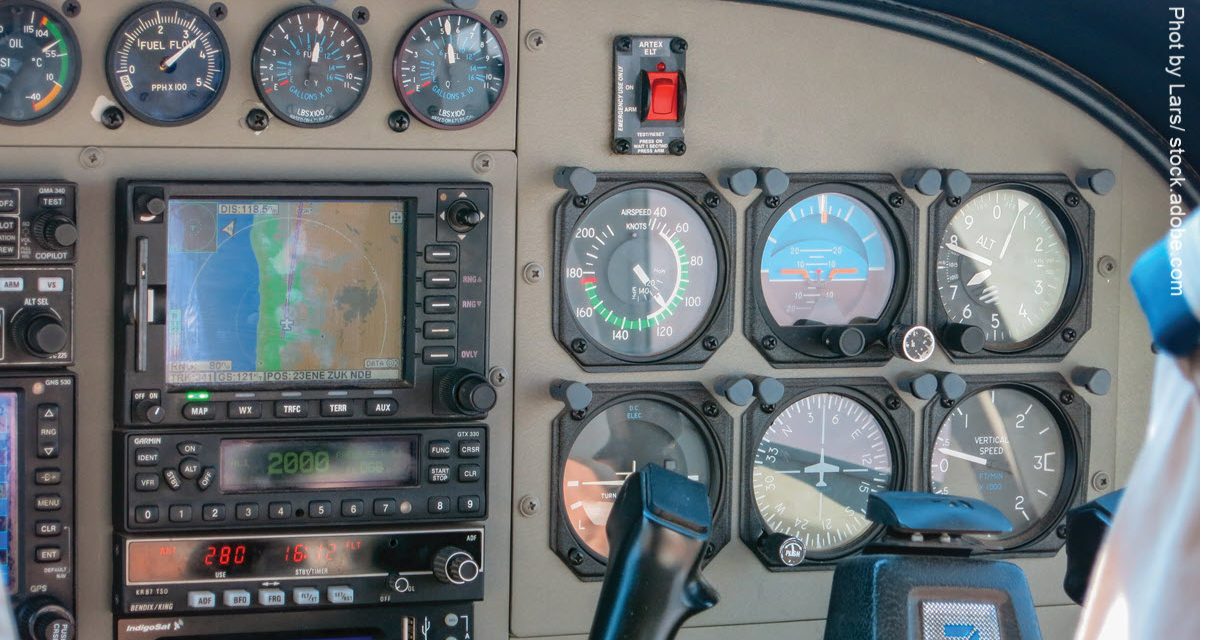
One of the most popular upgrades will be avionics. New radios and navigation equipment is something that almost every owner wants to spend more money on. Okay, maybe there are a few of you that don’t want better navigation or communication equipment. Flying an old Cub or Cessna 120, all you might need is the minimum. But for the rest of us, spending a few bucks (or thousands) to improve the panel of our favorite aircraft is a good investment.
Since we are spending money, we should make plans on how to protect our investment. We try to protect our aircraft with hangars, insurance, and tie downs, but how do we protect our avionics? How about the other stuff in the aircraft; things like handheld radios, ADS-B, headsets, and GPS?
Don’t Make Assumptions
If you buy insurance, you assume they are protected. But you do remember what assume means…right?
As I have mentioned before, any improvements to your aircraft should be noted and you should check on increasing the insured value with the insurance company. You don’t want to “under insure” your aircraft, especially if you just added a bunch of new gadgets. At the same time, you also don’t want to “over insure” or try to get more credit than the insurance company will give you if there is a loss.
For example, if you buy a bunch of stuff (tablets, handheld radios, headsets, etc.) and add them to your aircraft, you won’t be able to increase the value of the aircraft with the insurance company. Handheld (non-permanent) avionics or accessories are typically not covered by aircraft insurance policies without specific endorsements. So, don’t add the value of handheld items to the insured value without getting a specific endorsement to provide coverage for those items.
You should check with your homeowner insurance company. There is a gray area with homeowners. If the item is in the aircraft and someone steals it, it might not be covered by homeowners because it wasn’t in your home. On the other hand, it might not be covered by your personal auto either, unless it was in the auto when it was nabbed. Location is critical for each policy.
If you mount your handhelds in the aircraft with permanent connections (external antennas and power sources) you might be covered (check your policy). And often if you buy nice and expensive headsets and you’re comfortable with leaving them in your aircraft, at least make sure they have permanent plug in locations to a permanent intercom or sound system.
The thought is that if it is permanently mounted/installed it might be covered in the aircraft insurance policy. Again, check your specific policy.
Make a List and Check it Twice
One of the first things you should do is make a detailed list of the avionics, improvements, and changes that can affect the aircraft’s value. Be careful when adding avionics to the value of your airplane.
When you add a new stack of avionics, just turning over the invoice won’t necessarily give you an increase for the total amount. Often the insurance company will not give you credit for the installation. The installation labor cost, which can be substantial, doesn’t usually get added into the increase in hull value.
Let’s stop and think about this. When you annual the aircraft, you don’t increase the value of the aircraft each time you pay the annual bill. But often the owner adds the cost of installation and avionics into the increase value. This is a gray area. If the value of the aircraft is low to begin with (under book value) and you add the total cost for avionics (including labor) to the insured value. The underwriter will probably not question the value. If your aircraft is at book value or above and then you increase the value substantially, get out the proof of value, because the underwriters will want to know why. And remember, labor probably won’t be included.
What can you do? I suppose you can hope your avionics shop offers you a package price without the labor cost broken out on a separate line. Although I can’t say for sure if that would work.
Whatever source of value you use, do increase the coverage. A Garmin GPS 175 Navigator is a great unit if it stays mounted in the panel of the aircraft. When they’re bouncing around stolen in the trunk of someone’s car, they don’t seem to have much use. Panel mounted units are covered by most insurance policies.
The rest of this article and the PROOF OF VALUE CHECKLIST can be seen only by paid members who are logged in.Have a website login already? Log in and start reading now.
Never created a website login before? Find your Customer Number (it’s on your mailing label) and register here.
JOIN HERE
Still have questions? Contact us here.