By Steve Thomas, President Poplar Grove Airmotive
Many inquiries start with, “I need an overhaul! How much will it cost and what’s included?”
We then ask, “How much time is on your engine and how long ago was it overhauled?”
These are important questions to ask. The answer allows us to provide the best guidance to a customer. Depending on the answer, a repair, sometimes referred to as an IRAN (Inspect & Repair As Necessary) may be the best, most cost-effective way to return the engine to service. There are times when the decision to repair or overhaul is easy. If the engine time since major overhaul is past the mid-point of its TBO, then typically it makes sense to just overhaul the engine to factory new limits. If engine time is less than the mid-point of its TBO, the expense of an overhaul may not be warranted.
Financial Considerations
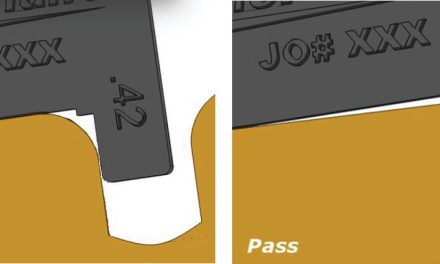
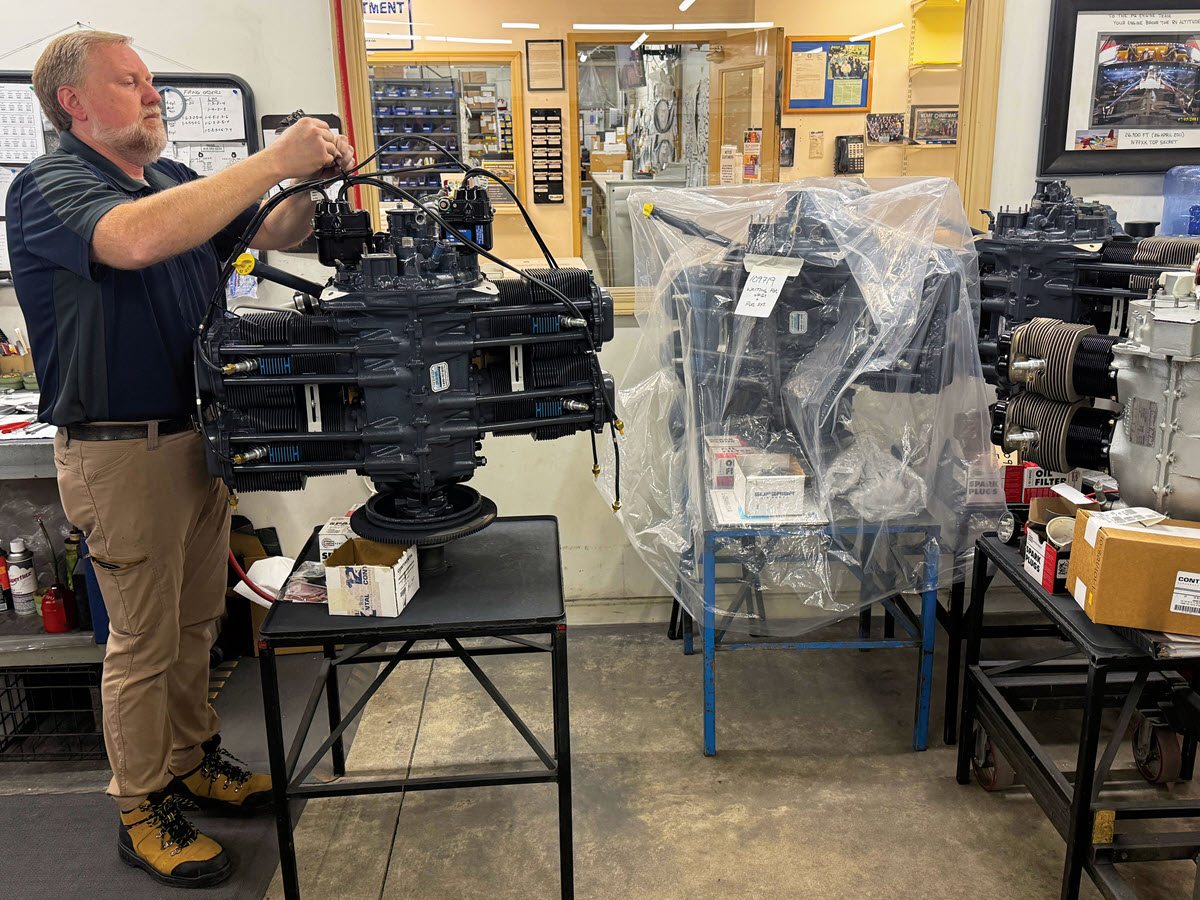
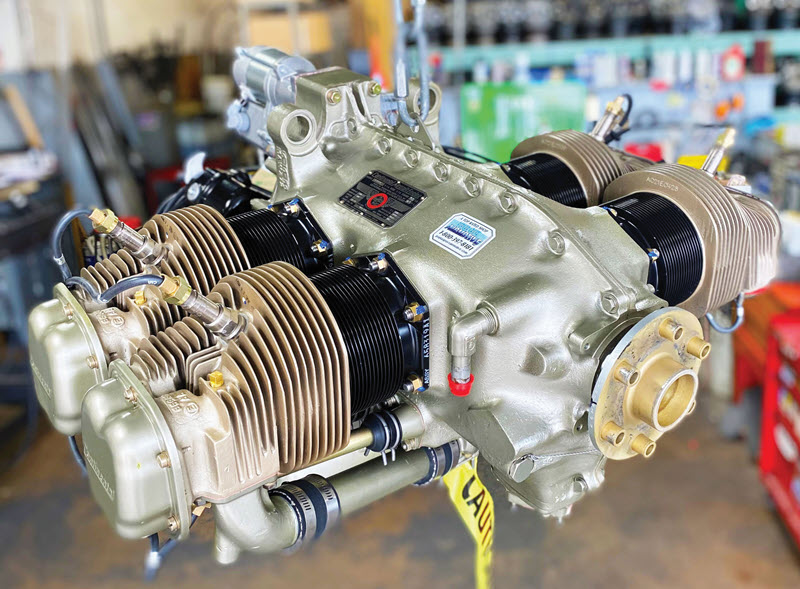
When an engine arrives, we document the engine with photos and notes. Then we disassemble, perform a preliminary inspection, clean, and then fully inspect, noting all parts and components to replace or repair. If the engine is a candidate for repair, then we’ll note the discrepancies and the cost associated with correcting these discrepancies, including both labor and parts, in order to return the engine to service. We share the cost of repair with our customer. The customer can then compare the cost of repair versus the cost to overhaul, in order to make an educated decision. The logbook entry will still carry the original time the engine was overhauled and show the date the repair was made.
Engine Time & Age
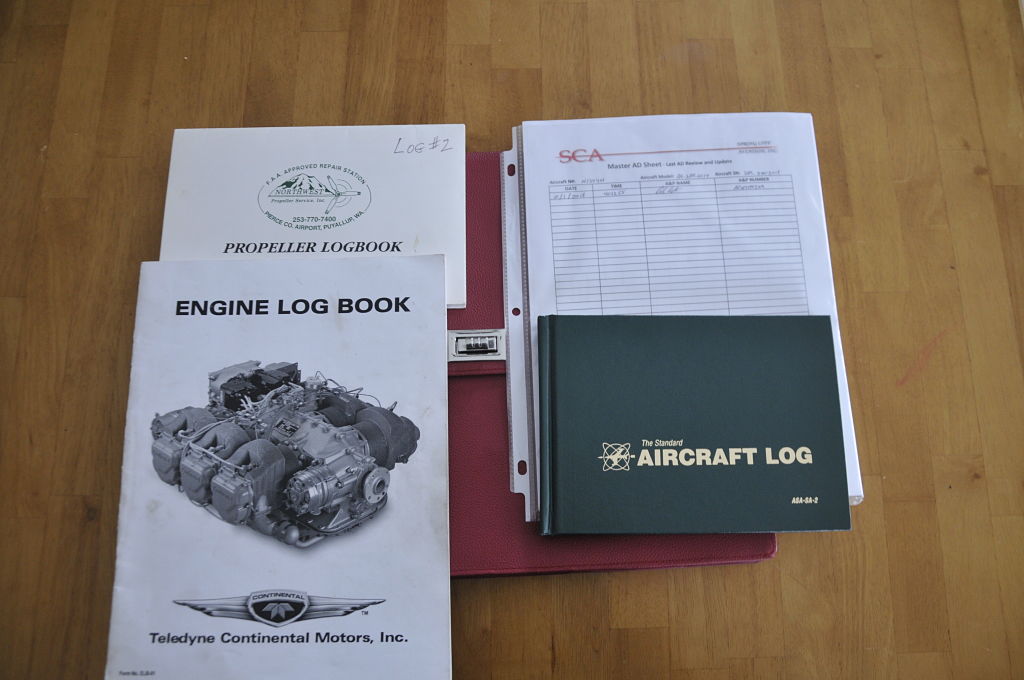
A financial comparison may not be the only element to consider. The calendar time since overhaul may be a factor. We’ve seen a number of engines arrive here that were last overhauled 40-45 years ago. We have an engine here now that was factory new in 1969 with only 150 hours fight time. Financially it would be much less expensive to repair this engine (~half the cost) of an overhaul. If repaired the engine would perform fine and have many hours of life left, however psychologically the airplane is flying with an engine that was new in 1969 some 57 years ago. From a resale standpoint this could adversely affect the value of the aircraft. By overhauling the engine it will have a 2026 overhaul, with full warranty, which will complement the value of the aircraft and eliminate the stigma of having a 57-year-old engine.
Down Time
Many reputable engine shops have long lead times to process an engine for overhaul or repair. Unless the repair is limited to one cylinder, there is typically no savings in down time with a repair versus an overhaul.
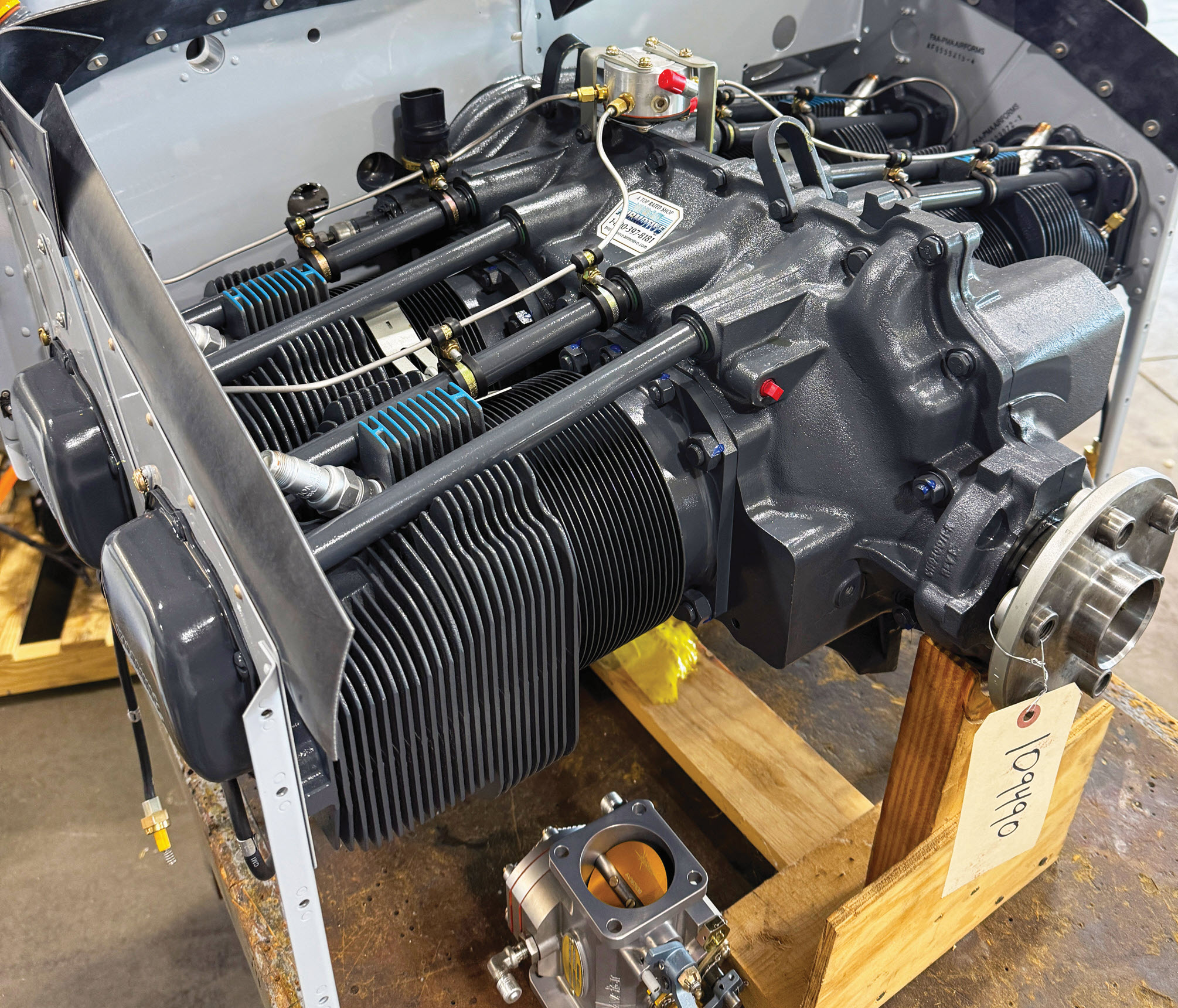
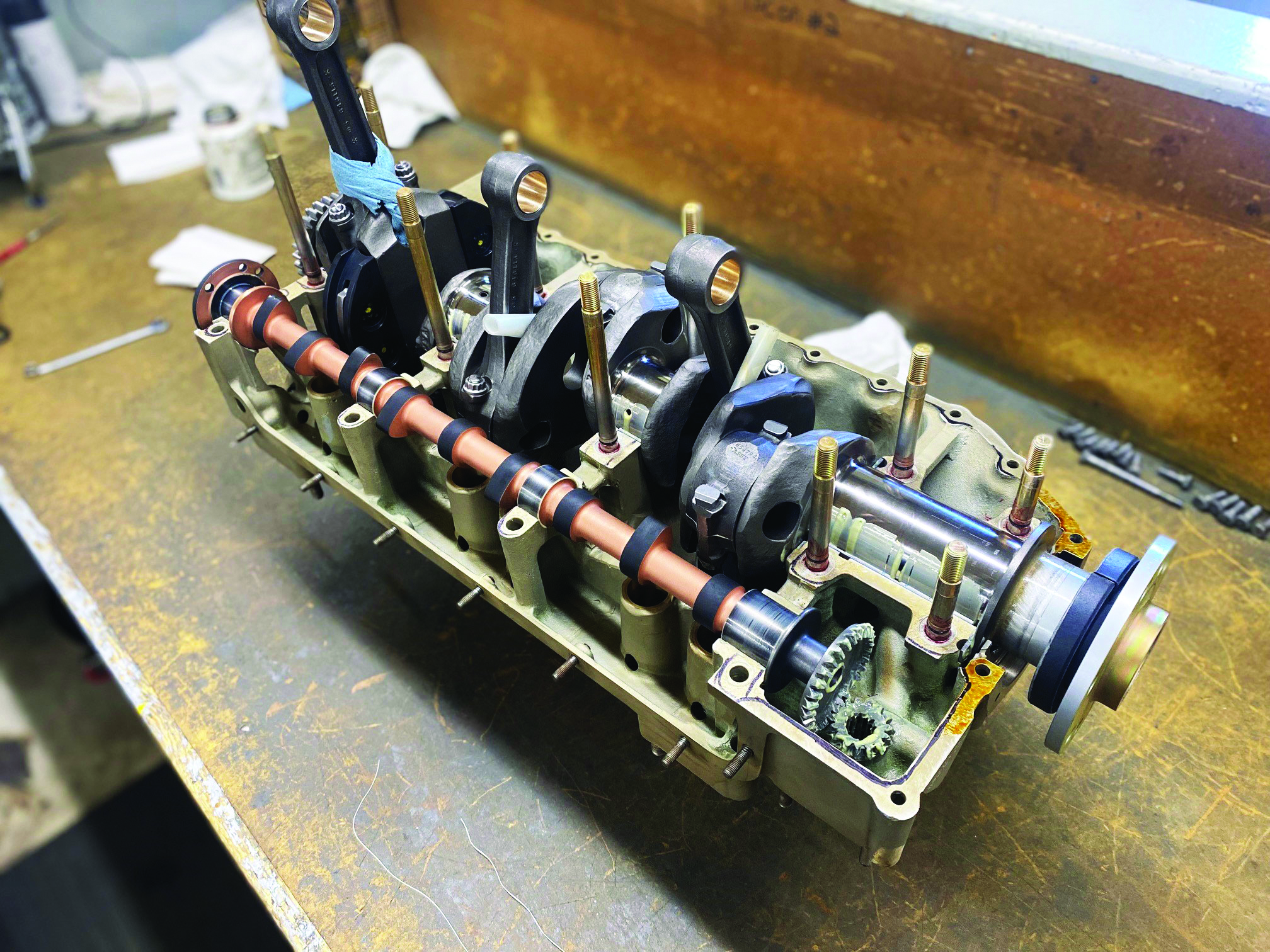
To return an engine to service, every component must be inspected, regardless of whether the work performed was a repair or a full overhaul. Given the downtime involved, some customers choose to proceed directly with an overhaul, knowing it can provide many years—or hours—of reliable operation with a lower likelihood of near-term downtime. By contrast, opting for a repair may make sense in the short term, but depending on how many hours the aircraft is flown each year, it could mean facing an overhaul in the near future. That scenario often results in additional downtime and potentially higher costs due to increases in parts prices and labor.
In the end, with proper guidance, the customer can decide whether a repair or overhaul provides the safest possible engine for their future.
Poplar Grove Airmotive (PGA) shares common ownership with the Poplar Grove Airport (C77) located in northern Illinois.
PGA’s focus for 53 years has been General Aviation aircraft and the people who love them. PGA operates a flight school, fuel sales, aircraft maintenance, including Continental & Lycoming engine repair, and overhaul service. They employ over 70 personnel.
www.poplargroveairmotive.com • (815) 544-2300