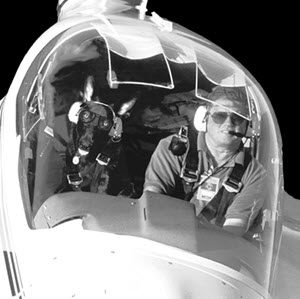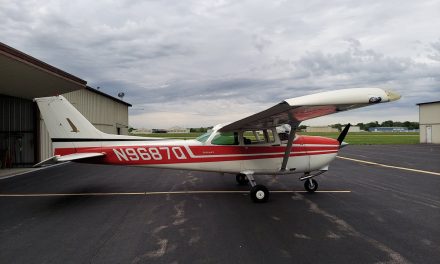
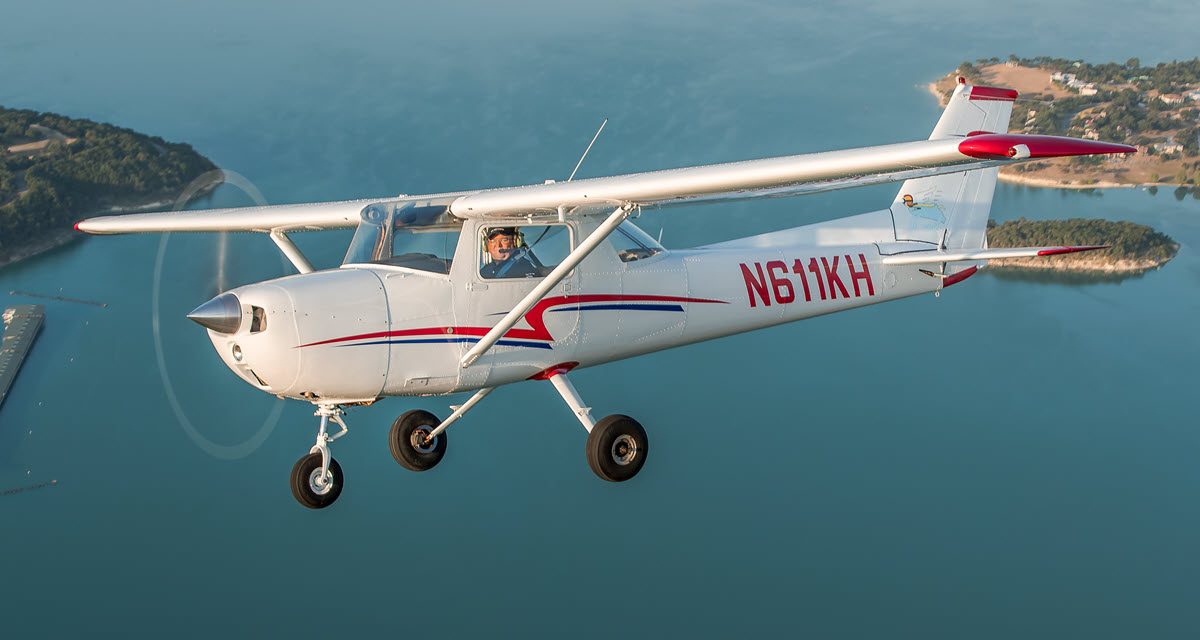
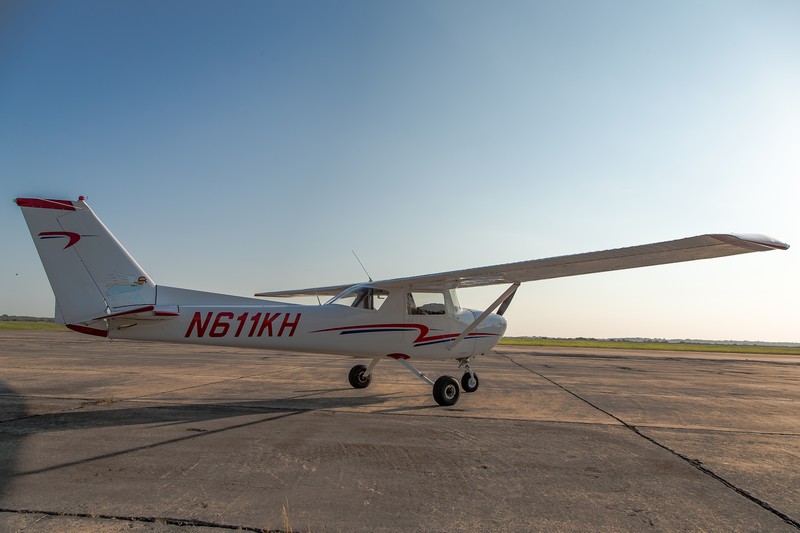
All photos of Greg Hughes’ C150 by Jack Fleetwood (https://jackfleetwood.com/)
Rod Machado is certainly one of the most experienced and intelligent pilots I know. Like many of us, Rod has ownedmany airplanes, and his choices reflect an understanding of the realities of ownership.
His first airplane was an A36 Bonanza, and yes, it was one of those Bonanzas, a jewel of a flying machine, delightful to fly with near-perfect control harmony, good performance, and reasonable economy. Unfortunately, like all other Bonanzas, it wasn’t pressurized.
To correct that minor omission, Rod and a partner next purchased a Cessna P210N, and it was pressurized and turbocharged. The inflatable Cessna lifted Rod and his wife, Diane Titterington, above California’s Sierra Nevada and Colorado’s Rockies, generally flying over the weather rather than through it. Now, at last, he had an airplane for his frequent trips to speaking engagements on stage lengths of 1,000 nm or less.
Though the P210 was a remarkably capable machine, Rod’s partner decided to move out of Southern California, leaving Rod to pick up the full nickel on fuel, maintenance, insurance, hangar, taxes, and the inevitable long list of costs. Th is effectively sabotaged his plan and more than doubled the hourly cost of operating the airplane.
As a result, Rod traded down to a Cessna 150, and that’s what he owns today. An inveterate instructor and one of America’s most respected authors of aviation training books, Machado has some 6,000 hours, much of it spent guiding student pilots to various certificates, plus cross-country trips around the U.S. What better casual flying machine than an instructional trainer that can double as a fun-friendly transport built for two.
Fact is, Rod’s choice is similar to that of many pilots who need a basic trainer that can double as an inexpensive fun flyer. Patty Brown, a friend of many years, decided back in the ’70s to earn her pilot certificate and ascend to a career as an airline pilot, but she also decided she’d do most of the training in her own airplane. At the time, Patty was working at Lake Tahoe, elevation 6,264 feet MSL. Flight training could be a challenge in the summer when density altitude climbs almost into five figures, but Patty nevertheless purchased a Cessna 150 to help her scale the heights to an aviation career.
Over the next few years, she earned her private, instrument, and instructor’s ratings before selling the airplane for more than she paid for it.
Finally, my wife, Peggy, decided she wanted to learn to fly. After dabbling with a Cherokee 140 for a dozen hours, Peggy switched to a Cessna 150 and found happiness and a private pilot certificate.
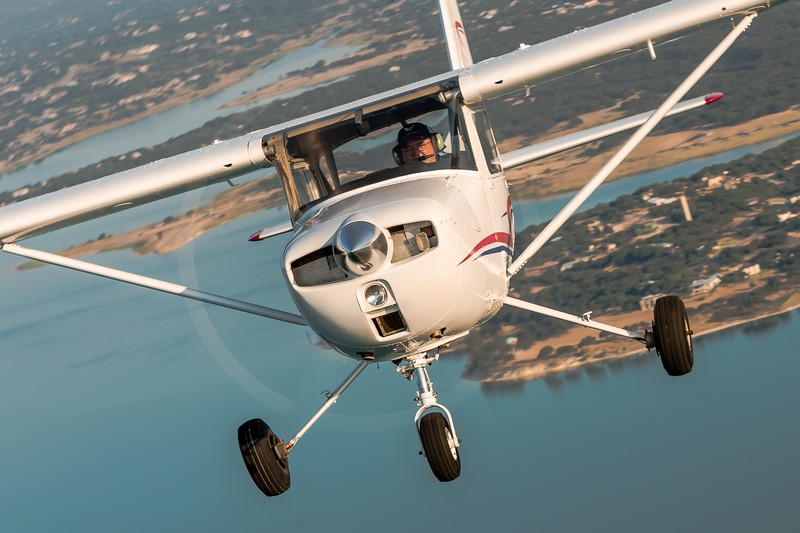
If you get the idea that the Cessna 150 is a multi-talented machine with numerous applications, you’ve got the message. Part of the reason is that the C150 sprang from the ubiquitous Cessna 120/140 — a tailwheel trainer that premiered shortly after the end of World War II. The 140 helped bring basic flying to a whole new generation of aspiring pilots.
With only 85 hp to propel 1,450 pounds of airplane into the sky, the 120 was the entry-level airplane, priced at $3,945. The 20 was indeed basic. There were no flaps, no electrical system, and only a single side window on each of the two doors.
The Cessna 140 was an upgraded version of the same airplane but with the addition of flaps, the aft side windows that were missing in the 120, and an electrical system with external lights and a starter — list price was $4,795. By 1950, the 120/140 bubble had burst and Cessna was beginning to rethink the landing gear configuration on all of its models. Conventional gear was rapidly becoming passé. The new normal was tricycle gear, but it wouldn’t be introduced on a two-seat Cessna until 1959.
That airplane was the all-metal 150. Wing profile was a NACA 2412 section with one degree of dihedral and one degree of incidence at the tips. Ailerons were Frise-style and flaps were Fowlers that translated aft as they deflected down to a maximum of 30 degrees.
Creature comforts inside the Cessna 150 were adequate, depending of course on the size of your creatures. This is a trainer, after all, so a certain amount of togetherness was to be expected between instructor and student. The critical dimension is cabin width at the hip level, and the 150 sported a 39-inch cross section, not super friendly to pilots who were broad of beam. Cabin height is 40 inches, so the seating positions are semi-supine. From inside looking out, the visibility is good enough that you could almost delude yourself into thinking you are flying your own personal F-16. Almost.
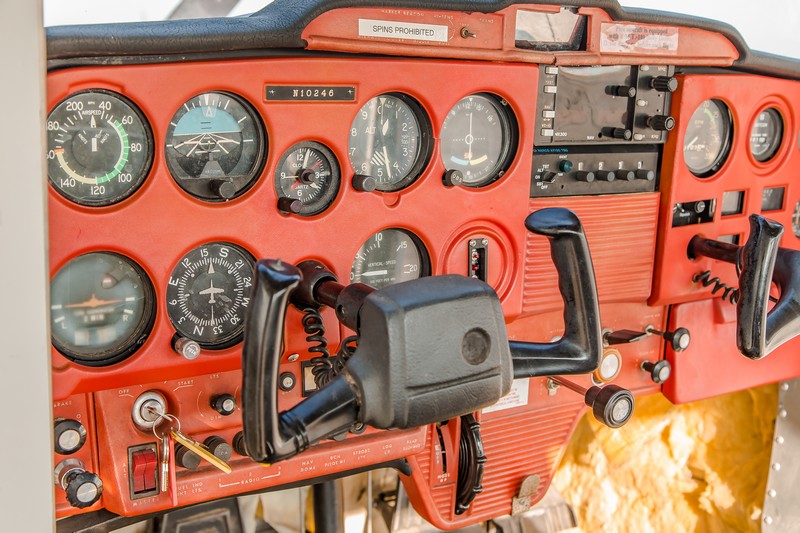
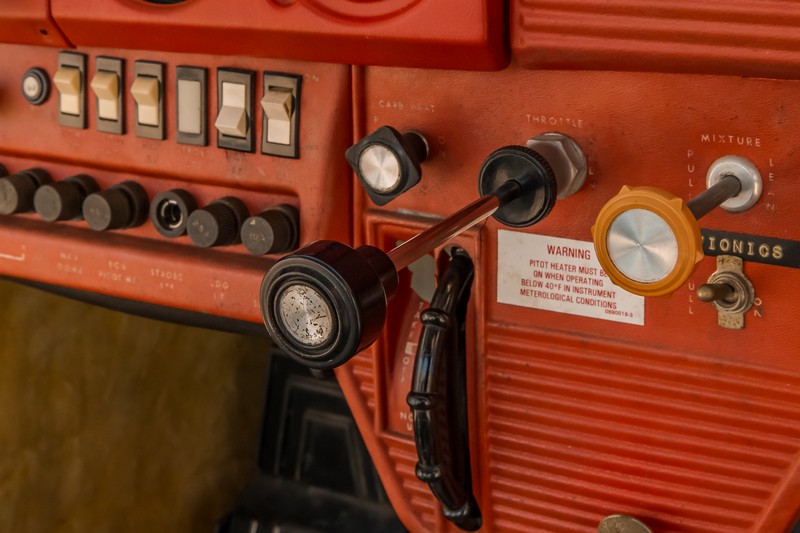
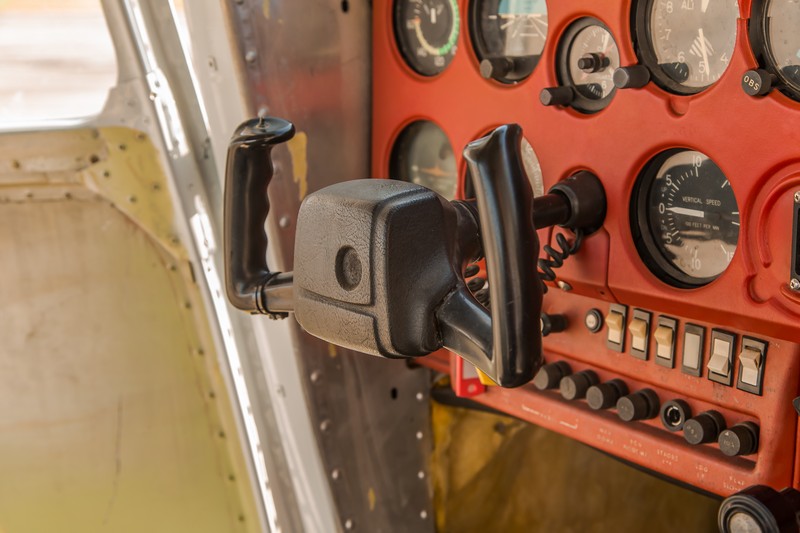
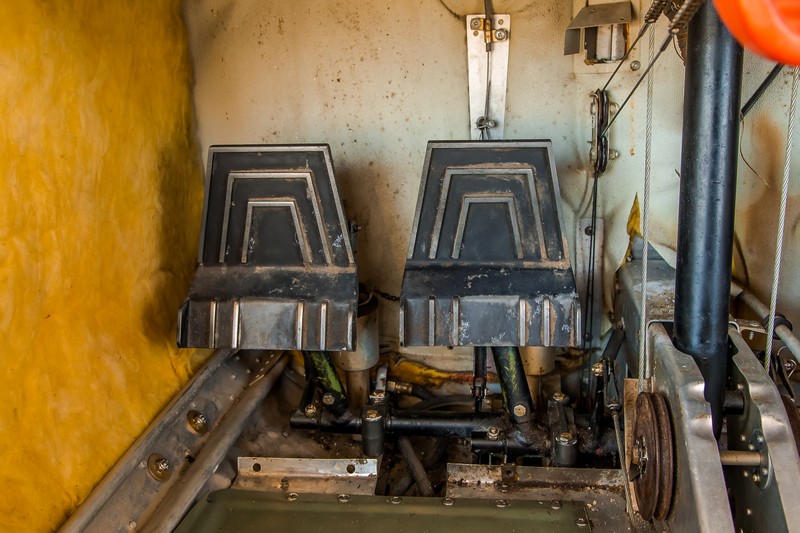
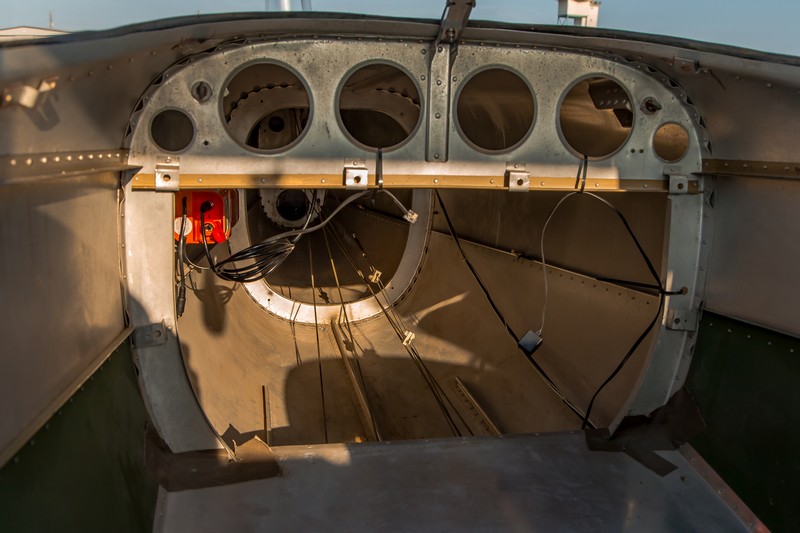
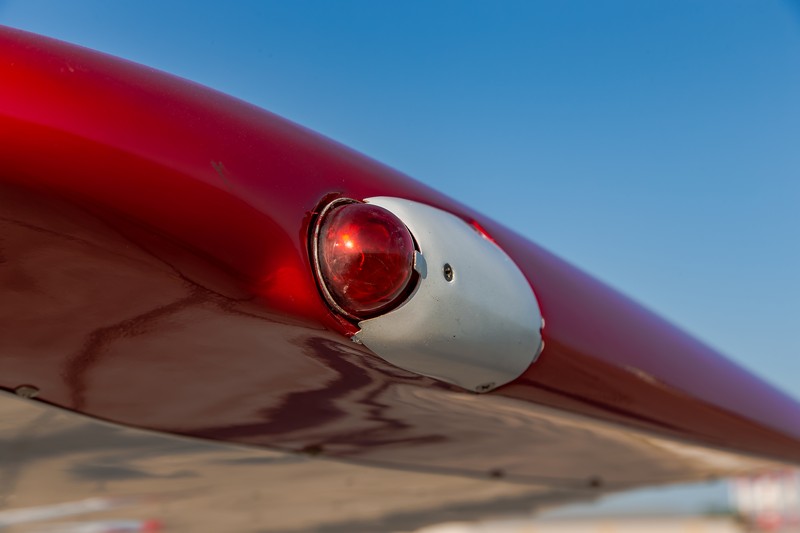
From the outside looking in, some folks thought the first 150s were homely. If the rakish 140 sometimes seemed vaguely aesthetic, the 150 offered no such benefit. It had a stubborn vertical tail and boxy configuration. Later models embraced modern design with a swept tail and a notched fuselage to accommodate a rear window about the size of a mail slot.
Still, the first 150 included more horsepower, a Continental O-200 engine that pumped out 100 hp versus 90 hp on the later 140s, plus most of the features the 140 lacked. The stock propeller was an all-metal, fixed pitch, two-blade McCauley, not surprising since Cessna owned McCauley in those days.
The rest of this article can be seen only by paid members who are logged in.Have a website login already? Log in and start reading now.
Never created a website login before? Find your Customer Number (it’s on your mailing label) and register here.
JOIN HERE
Still have questions? Contact us here.