Reflections on the MD-11 Accident
By Carl Ziegler, A&P/IA
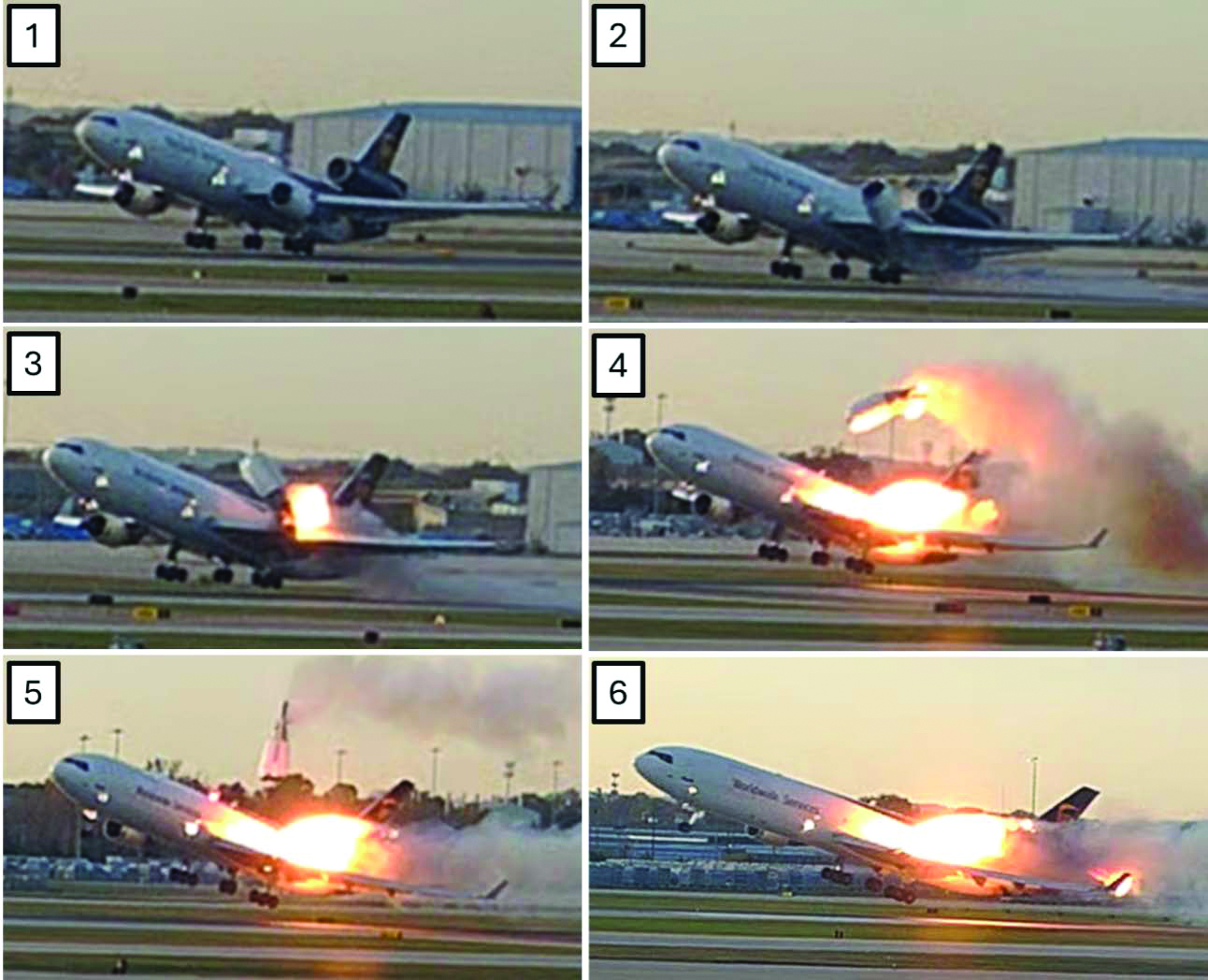
As I cruised accident reports on the internet today, I discovered that the preliminary report on the MD-11 crash was published on multiple news sources. The number one engine and pylon separated on takeoff, with a fire igniting the left engine while it traversed above the fuselage. A fire also ignited near the left pylon attachment to the wing, which continued until the plane impacted the ground.
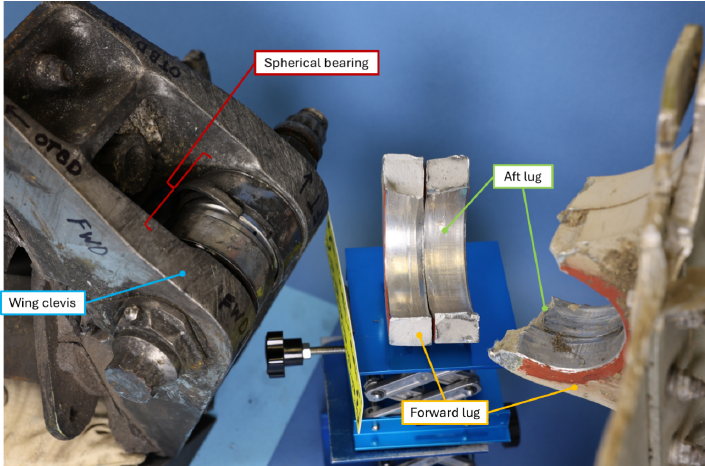
Based on the NTSB report (which you can find here: cessnaowner.org/MD-11), examination of the fractured left pylon aft mount lug, demonstrated evidence of fatigue cracks in addition to areas of overstress failure. A fatigue crack was also found where the aft lug bore meets the aft lug forward face (see page 9 of the report).
There is detailed information regarding the maintenance and inspections of this plane in the NTSB report as well. This is a preliminary report and subject to change as more findings surface.
Close to Home
The whole scenario of this accident strikes close to home for me. I don’t know how many of you remember or were around when American Airlines Flight 191 departed Chicago O’Hare in 1979, on a westbound trip. The number one engine separated on takeoff mirroring what we saw with the MD-11. Of course, back then we didn’t have cameras recording everything, making the photos that are available even more chilling and poignant. The close to home aspect is that my cohort (and wife), Carol, might have been on that flight. She lost two of her high school friends who were heading out on vacation that day, which at the time Carol was unable to afford.
I am certainly familiar with the DC-10 and MD-11 pylon issues as I had several decades with a major airline, both in the hangars and on-the-line, working on those airplanes. My last 13 years were as an aircraft inspector performing NDT on similar components, solidifying my more than casual familiarity with the issues that the NTSB will find.
A couple decades ago, working line maintenance, I received a call from one of my lead mechanics who asked me to come down to gate 10 to look at a DC-10. Anytime Ron called me for some type of additional verification I knew his find was sure to be off the wall. Ron was an awesome lead mechanic with a built in mechanical sixth sense. When I got to gate 10, Ron pointed to the number three engine and said, “I think the pylon is loose on the wing.” I thought he was a bit off his rocker, but he pointed to the pylon seal strip on the wing. I saw there was minor polishing on the wing plank, where the seal obviously had worked back and forth. I was stunned by the possible ramifications, as Ron suggested we try to get the engine to move back and forth.
Was he serious???
The rest of this article can be seen only by paid members who are logged in.Have a website login already? Log in and start reading now.
Never created a website login before? Find your Customer Number (it’s on your mailing label) and register here.
JOIN HERE
Still have questions? Contact us here.
About the Author Carl Ziegler
Carl has close to 50 years of continuous experience working as an aircraft technician and 38 years as an IA. In addition to GA, he has acquired over 38 years of airline experience with Northwest and most recently with Delta, finishing his last 13 years of airline service as an aircraft inspector. He currently flies a 1976 Cessna 172N.