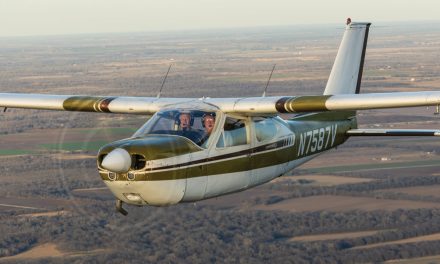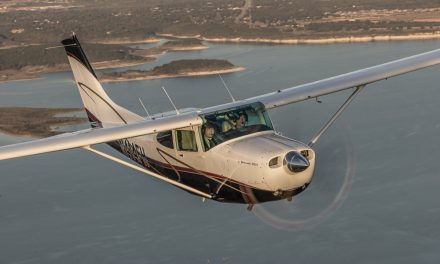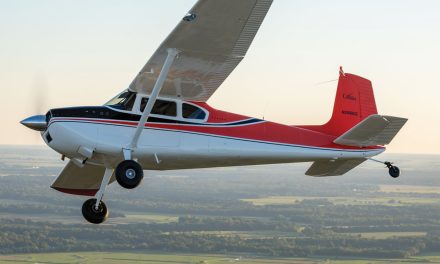
Photo Credits: Jack Fleetwood (www.JackFleetwood.com)
For many pilots, the love of aviation begins with a moment — an early exposure that lodges itself in memory and grows into a lifelong fascination. For Bob Harmon, that moment happened long before he ever touched a yoke.
“I became interested in flying at a young age,” Bob explained. “As a military brat, I was exposed to military aircraft frequently and was enthralled with the machines and the prospect of flying.”
That interest evolved into action at Texas A&M University, where Bob earned his private pilot certificate in 1970 through the Army ROTC flight program. It marked the start of a flying life that spans decades, aircraft types, and countless adventures.
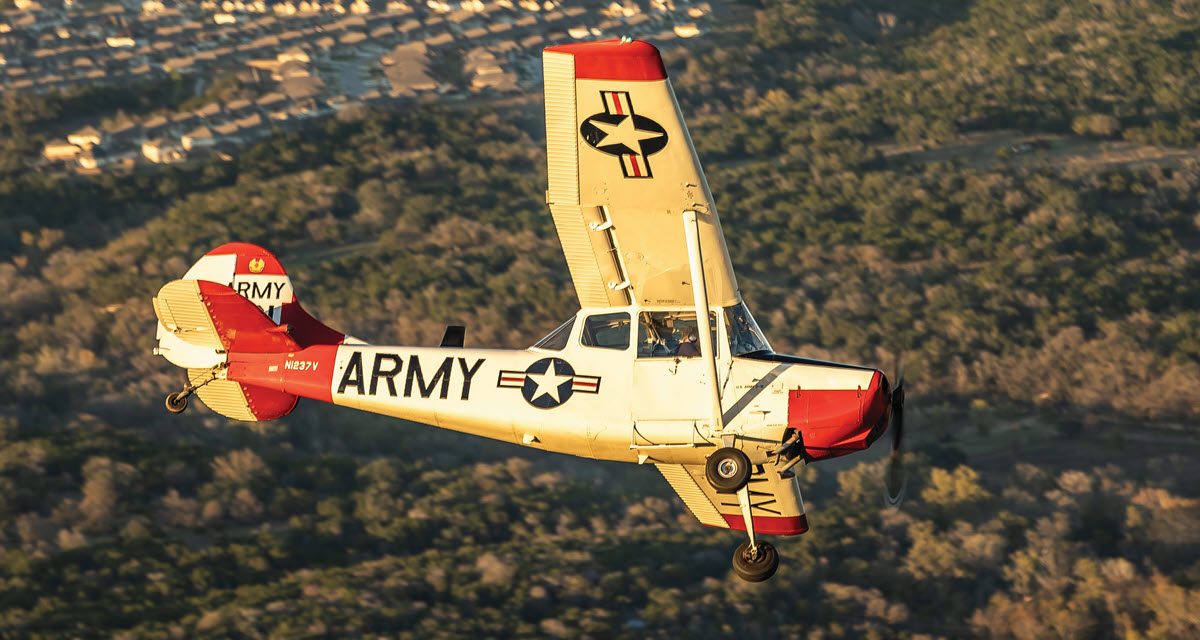
Today his aviation world centers on one aircraft in particular — his 2001 Cessna 305, better known to many as the L- 19/O-1 Bird Dog. And for Bob, it continues to prove itself the perfect companion.
A First Airplane Built for Fun
Long before the Bird Dog entered Bob’s hangar, his first aircraft was something much more aerobatic, the Beryl CP-750. Designed by Claude Piel and hand-built from plans by Cliff Bond, the CP-750 was a tandem-seat, low-wing taildragger capable of the loops, rolls, and spirited maneuvers for which light aerobatic airplanes are known. Bob remembers it fondly, “It was very capable.”
But as time went on, Bob’s flying needs changed. That search eventually led him to a Cessna 305, made by Air Repair in Cleveland, Mississippi, and to the airplane that fits his mission perfectly.
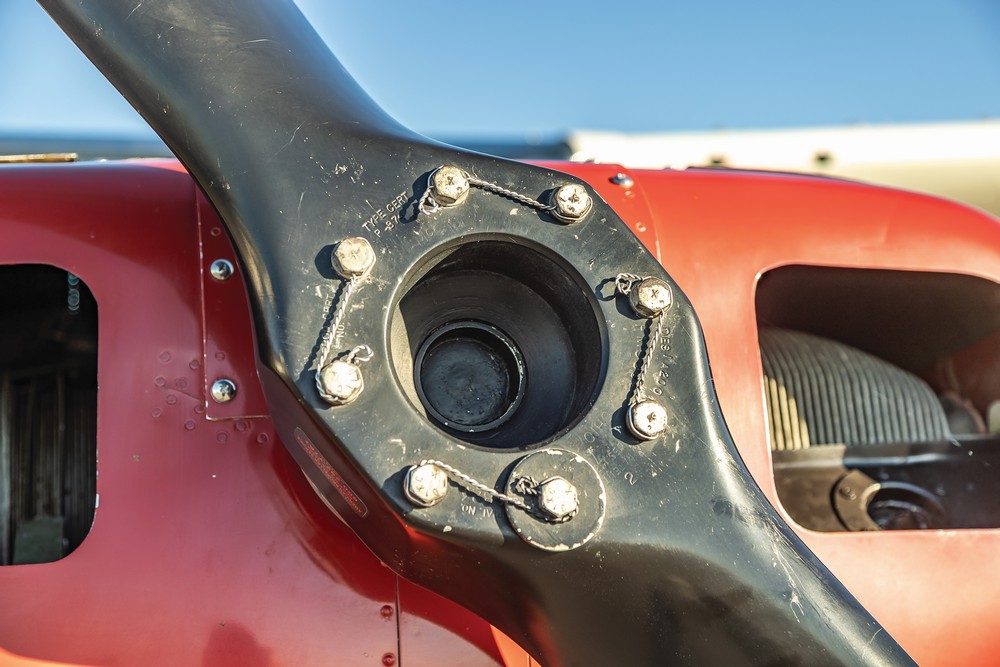
Bob shared, “I decided on this particular aircraft as it fulfills the mission requirements. Very capable, short field operator and fast enough to go places if necessary. It has a 60-degree flap capability for short-field landings and a 90-inch prop with good pitch to get off quickly. Average cruise speed is 105 mph.”
While the airplane doesn’t have an official nickname, Bob commented that, “It could be called the ‘beast’ in a stiff crosswind,” a nod to its taildragger personality and the focus required to manage it on windy days.

A Modern Bird Dog with Classic Roots
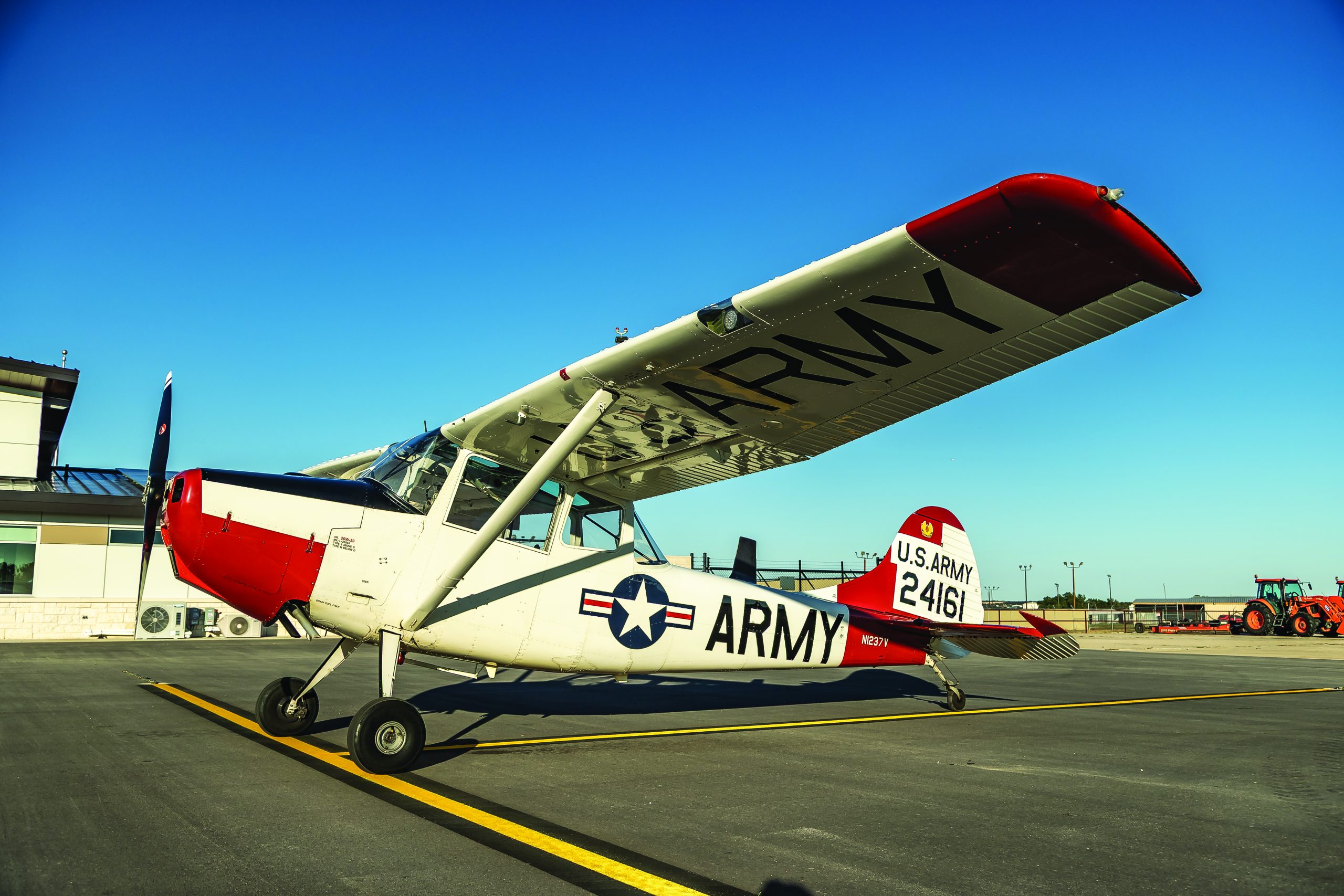
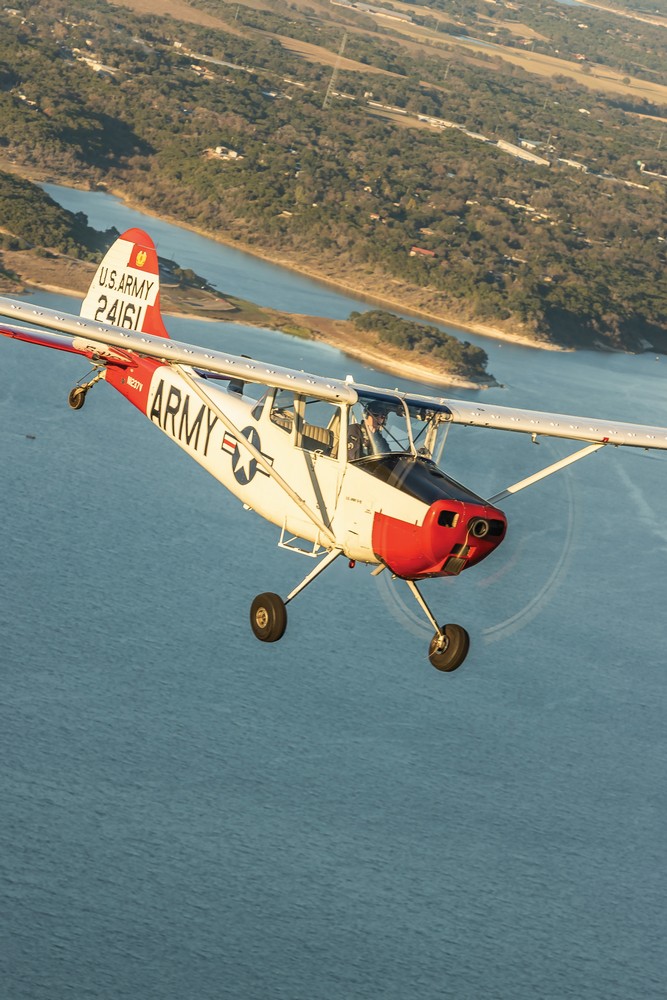
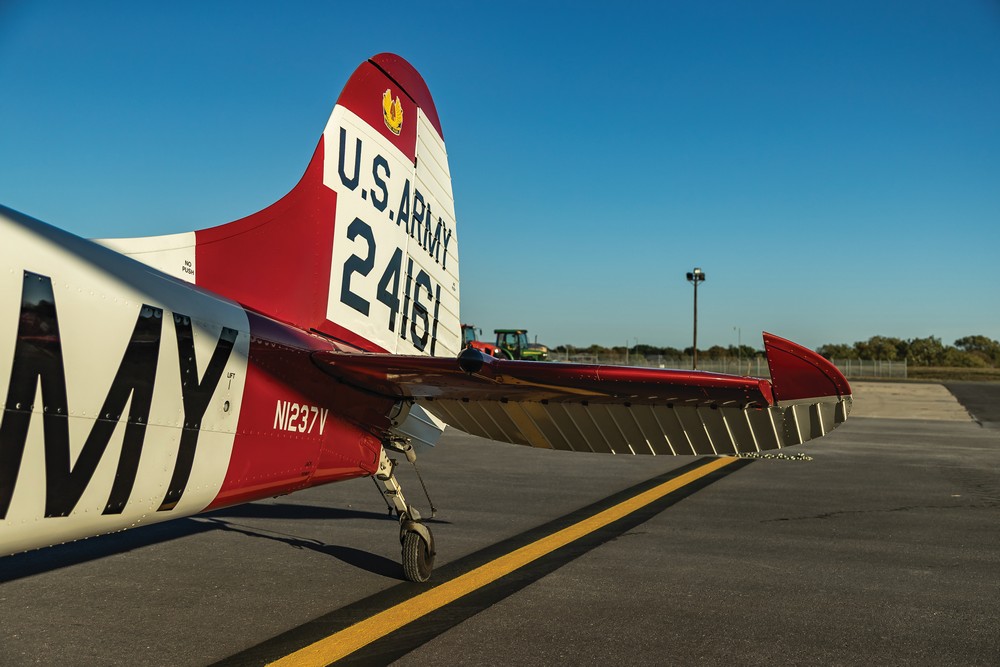
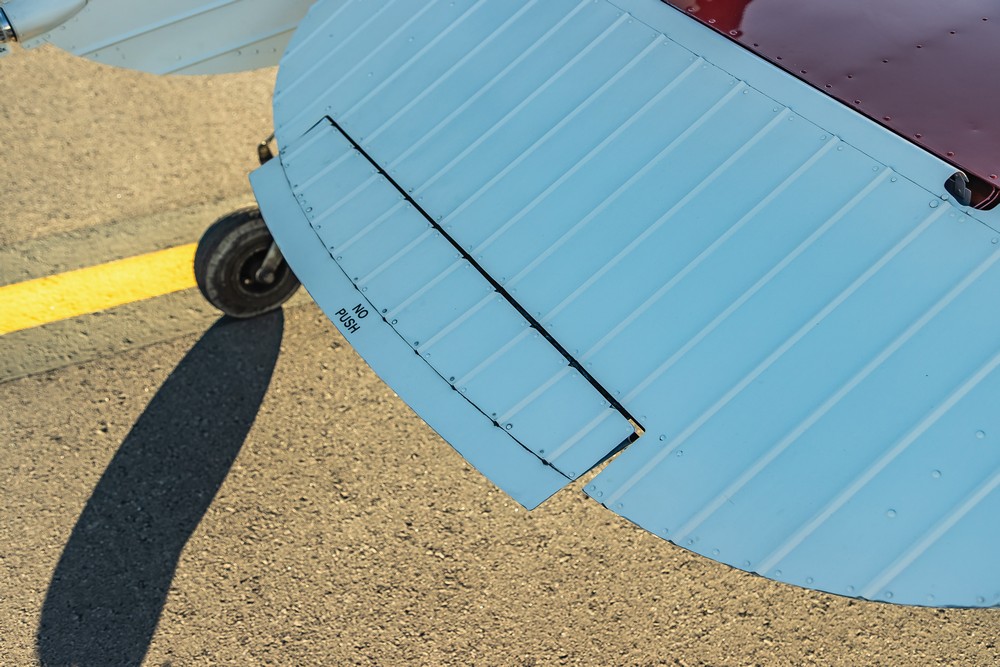
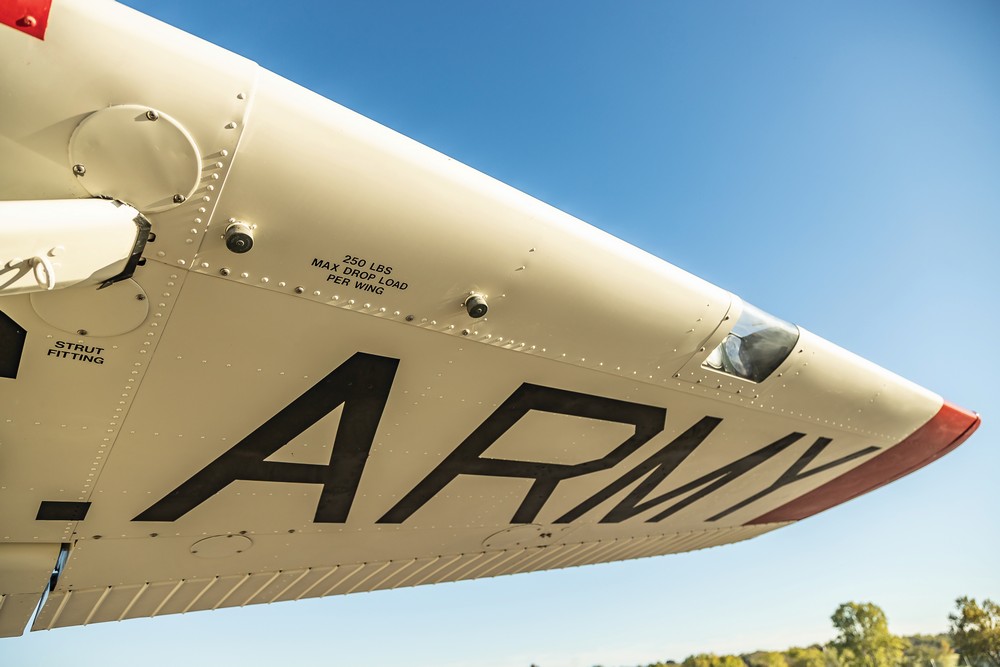
Bob’s Cessna 305 is, in many ways, a modern time capsule. Although it looks like the vintage liaison aircraft that served in Korea and Vietnam, this Bird Dog was built in 2001 by Air Repair using accumulated new/old stock parts. “This plane was built from NOS parts,” Bob explained. “They built a number of them, and mine was the second produced.”
Registered as N1237V with serial number AR-2, the aircraft features the structural improvements that increased the Bird Dog’s gross weight limit to 2,800 pounds. This is significantly higher than earlier L-19/O-1 versions, which ranged from 2,100 to 2,400 pounds gross weight. When Bob purchased the airplane, it had just 605 hours since new and was in exceptional condition. The paint, interior, avionics, and mechanical systems were all well cared-for, a testament to Air Repair’s craftsmanship. Bob made it clear, “The folks that built these birds did an exceptional job, with great attention to detail.”
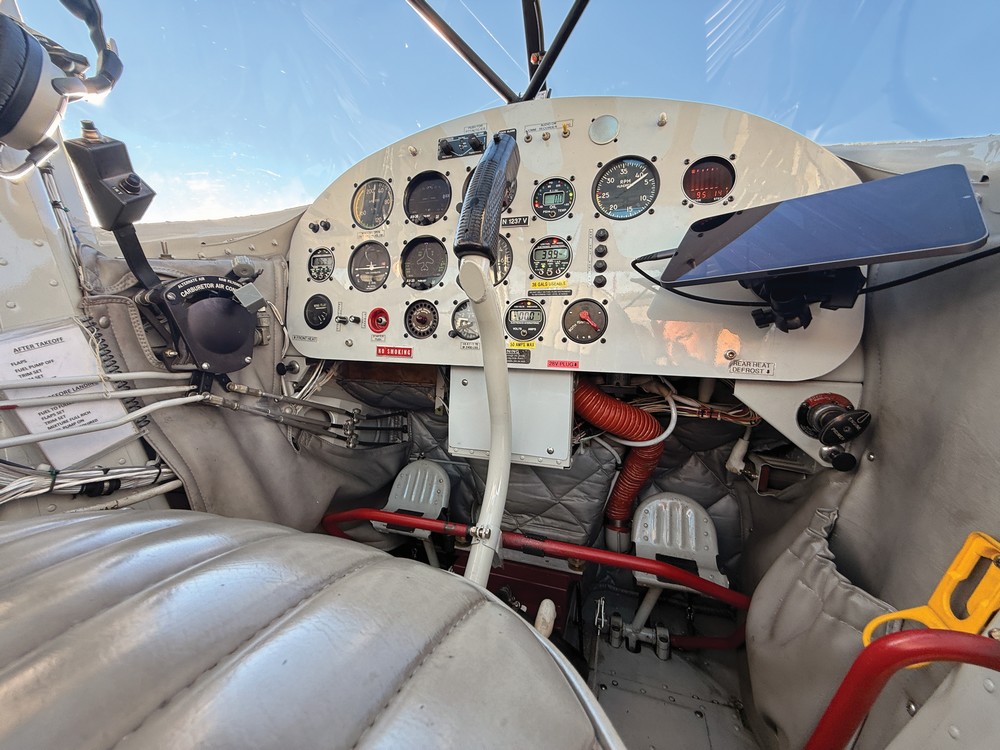
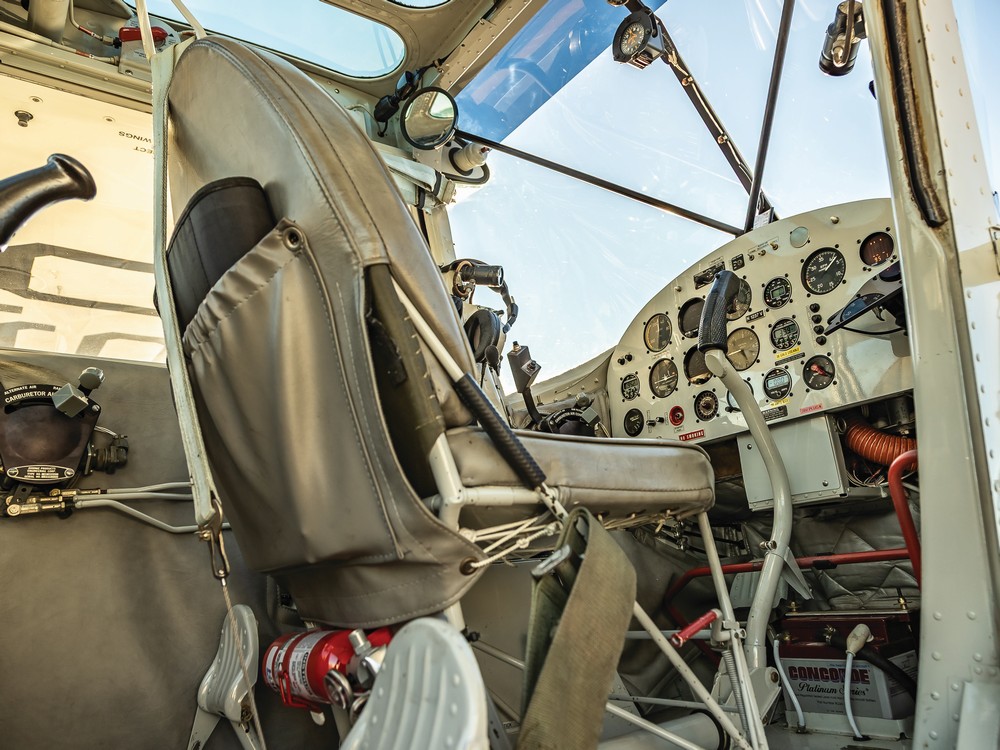
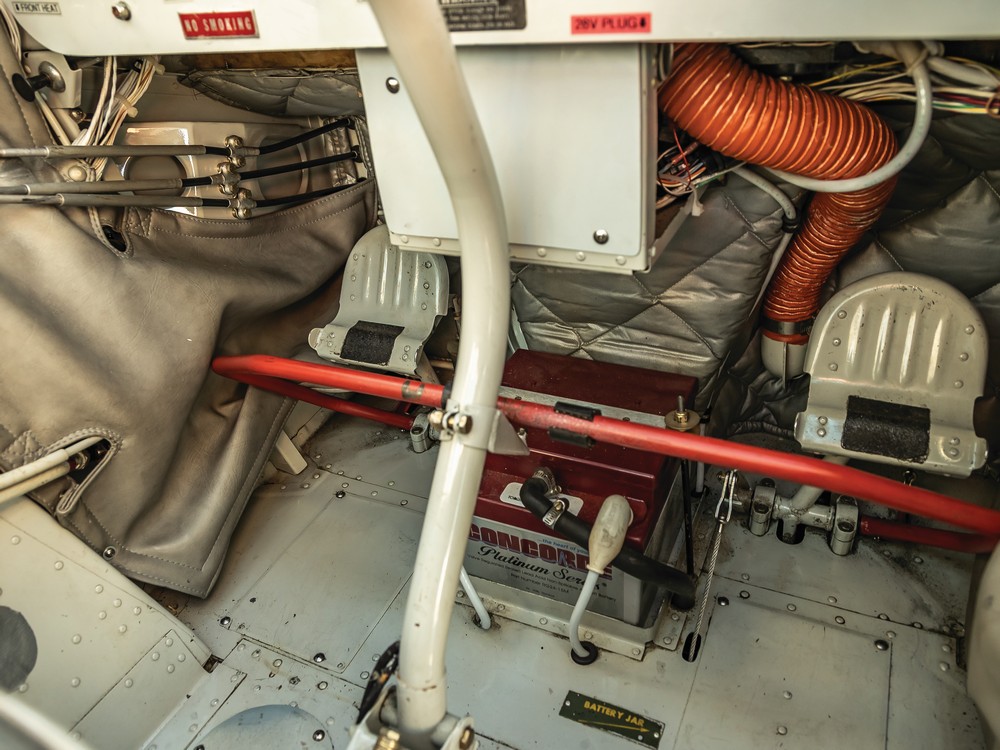
Upgrades and Improvements
Although N1237V arrived in excellent shape, Bob has made a series of thoughtful upgrades to improve reliability, performance, and functionality.
His first significant task was replacing one cylinder after noticing low compression and oil leakage past the rings, which had increased oil consumption. Addressing the issue early ensured the engine would continue performing at its best.
One of the most meaningful improvements came when he removed the aircraft’s vacuum system and replaced the traditional instruments with dual uAvionix AV-30 units. The AV-30s maintain the classic appearance of a period panel while delivering modern reliability and capability. Bob configured one as an attitude indicator and the other as a directional gyro. “They’re very capable and reasonably priced,” he said, delighted that the upgrade also reduced weight and eliminated the maintenance demands of a vacuum system.
Last year, Bob added vortex generators that improved takeoff and climb performance, enhanced low-speed controllability, and lowered stall speed—exactly the kinds of gains that matter for a short-field taildragger.
With the exception of an eventual engine overhaul, Bob anticipates no major restoration projects in the near future. The airplane is sturdy, dependable, and built with straightforward, time-tested technology.
Maintenance Realities
While some older Cessna models present unique maintenance challenges, this Bird Dog is not burdened by recurring airworthiness directives or service bulletins. However, it is equipped with a pressure carburetor, and that component can be difficult and expensive to overhaul, largely because very few shops still service them. Fortunately, an STC exists that would allow Bob to replace it with a standard carburetor in the future if needed.
Parts availability remains surprisingly strong thanks to the dedicated Bird Dog community. Air Repair is Bob’s first choice for parts, as they maintain an impressive stockpile of components for the type. Bob has also relied on Aircraft Accessories of Oklahoma for electric boost pump work and Steve Noyes of Bird Dogs by Noyes for specialized parts and expertise. Between these sources, he has had no trouble keeping N1237V in excellent shape.
Strengths, Weaknesses, and the Bird Dog Personality
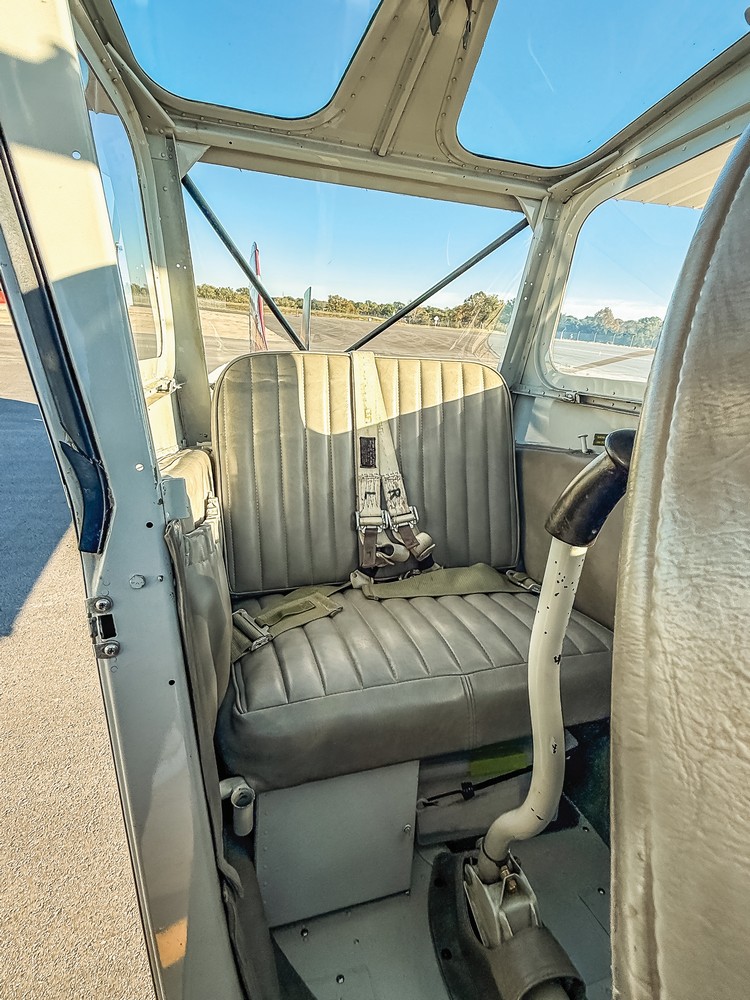
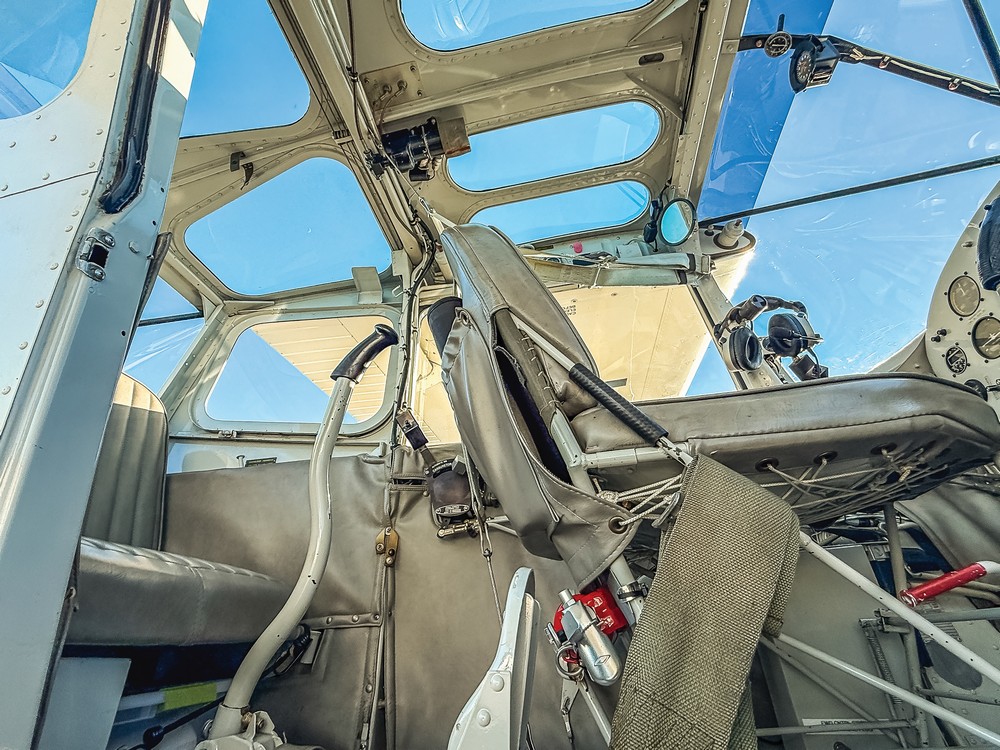
Every aircraft has its strengths as well as its quirks, and Bob has come to appreciate both sides of his Bird Dog’s personality. He loves the nostalgic character of the airplane, the superb visibility offered by its greenhouse-style cockpit, and its overall capability.
There are a few things he would improve if he could. Compared to some similar airframes, its crosswind capability is modest, and the engine’s 1,500-hour TBO feels shorter than ideal. He also wishes he had access to the full 40 gallons of usable fuel that the military version allowed, though FAA certification limits his to 36 gallons.
The airplane’s biggest challenge is its behavior in crosswind landings. “It can be a bit touchy,” Bob admitted. “You have to stay on your A game from startup through tie-down.” For experienced tailwheel pilots like Bob, that unpredictability isn’t a flaw—it’s part of the aircraft’s honest character.
A Shorter but Meaningful History
Unlike many surviving Bird Dogs with decades of military service, patched skins, or long logbook histories, Bob’s airplane is almost new by comparison. Built in 2001, it has only about 1,100 hours on the airframe today. Though its life has been quiet, that has given Bob the opportunity to make history with it in his own way.
Bob typically flies between 120 and 140 hours per year. Most of his trips stay within a 250-mile radius of his home field, Skylark Field in Killeen, Texas (KILE), which offers plenty of room for exploration. The Bird Dog’s 8.5-gallon-per-hour fuel burn makes it economical to operate at roughly $50 per hour, not counting insurance.
One of Bob’s favorite destinations is Fredericksburg’s Gillespie County Airport (T82). The field is popular among Texas pilots for its diner, friendly atmosphere, and the eclectic mix of aircraft that gather there on weekends. For Bob, it is both a scenic outing and an ideal place to share the joy of flying with friends and family.
Memories Made, Memories Still to Come
While Bob appreciates the Bird Dog’s capability, it’s the experiences it creates that matter most. Some of his favorite memories include taking his granddaughter on her first flights and sharing time in the cockpit with close friends like Levi Noguess, who helps him sharpen his flying skills, and Lucas Strickland, a talented young pilot Bob affectionately calls his “autopilot.” When Lucas flies, Bob gets to relax and enjoy the scenery—a luxury for any pilot.
These connections and shared moments embody the heart of general aviation. Aircraft are machines, but the memories made in them are deeply personal.
A Bird Dog With Purpose
Bob Harmon’s Cessna 305 Bird Dog may not be the fastest airplane on the ramp or the smoothest in a crosswind, but it offers something far more important. It is authentic, reliable, and capable. N1237V continues to do what Bird Dogs have always done best: work hard, fly honestly, and bring joy to the pilot who knows how to get the most out of it.
The specifications and performance of the 2001 Cessna 305Fcan be seen only by paid members who are logged in.
Have a website login already? Log in and start reading now.
Never created a website login before? Find your Customer Number (it’s on your mailing label) and register here.
JOIN HERE
Still have questions? Contact us here.