
By James Wiebe
President, CEO
Radiant Technology LLC
Most Cessna owners have more instrumentation in the cockpit today than the airplane had when it left Wichita. A panel GPS, an electronic flight display, a tablet, a phone, perhaps a portable instrument or two.
That sounds like redundancy. Sometimes it is. Sometimes it only looks that way.
The useful question is not, “How many ways can I see this information?” It is, “What happens to all of them when something fails?”
Two displays powered by the aircraft’s electrical system are two instruments until the alternator quits. Two altimeters on the same static source will agree with each other right up until the port is blocked. Engineers call this a common-mode failure: several systems fail because they depend on the same thing. For a backup to be a real backup, independence matters more than sophistication.
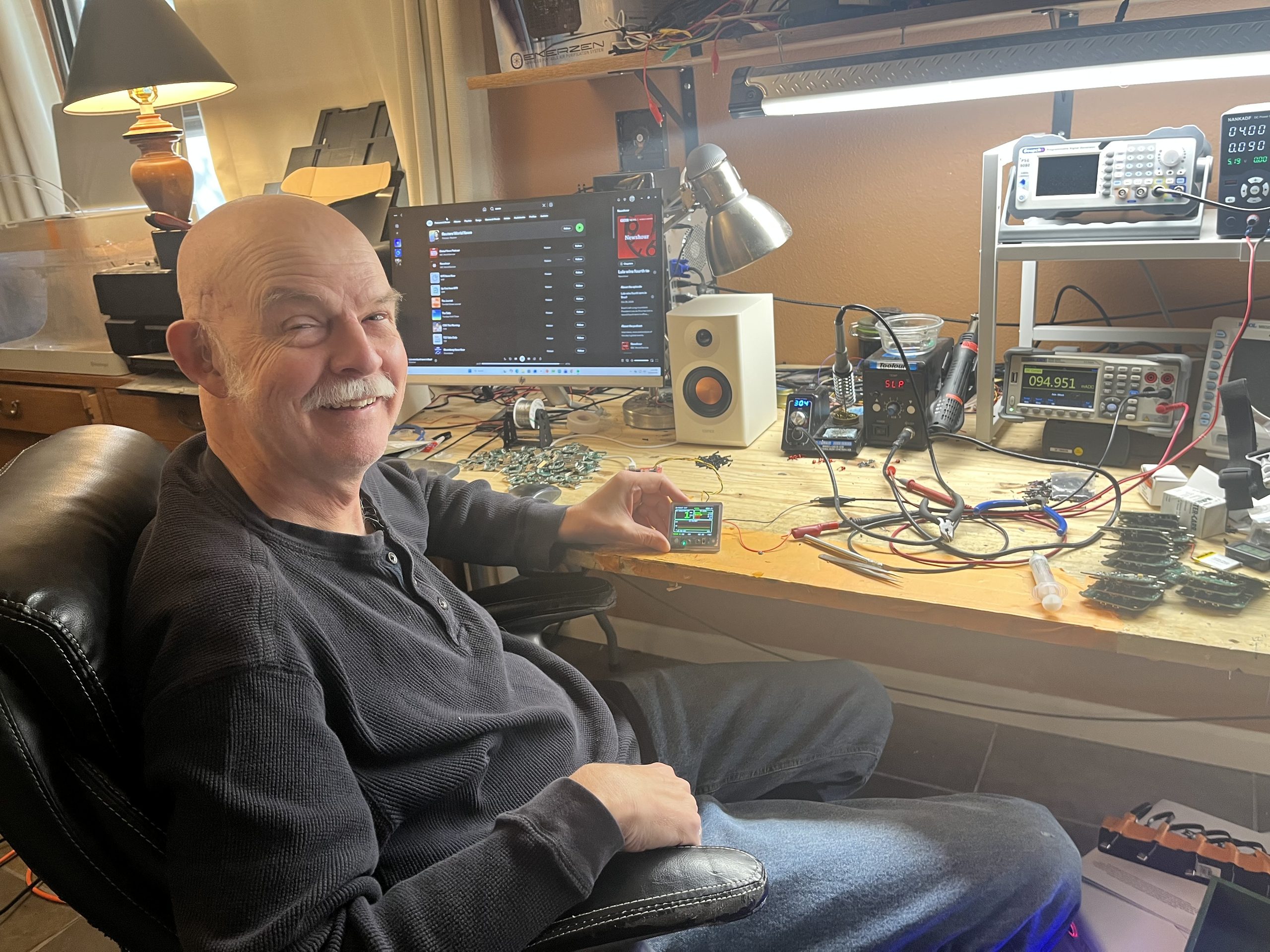
I’m James Wiebe, a pilot, aircraft designer, and the engineer behind Radiant Instruments, also in Wichita, KS- the home of Cessna and the Air Capital of the World. I take that seriously. Pilots are remarkably good at accumulating gadgets. I say that as someone who designs them. After an extraordinary loss of my aircraft kit factory in 2019 (and my income!), I also know that fuel, maintenance, and insurance leave a finite budget for improvements, so before another device goes in your cockpit, four questions are worth asking.
What does the instrument depend on?
Ship’s power? Pitot-static plumbing? GPS reception? A Bluetooth link to a tablet that may overheat in the sun? None of these is wrong. The point is to know what can make an instrument disappear, and to choose a backup that disappears for different reasons than your panel does.
Does the instrument tell me something I don’t already have independently?
A third moving map is entertaining but adds little redundancy. An independent source of altitude, turn information, or carbon monoxide warning addresses a different failure entirely.
Can I read the instrument instantly?
An emergency is a terrible time to learn a user interface. Brightness, night dimming, and clutter all matter. So does the difference between information that is technically available and information a busy pilot can actually use.
Will I actually carry the instrument and turn it on?
This may be the most practical test of all. An elaborate device buried in the baggage compartment is worth less than a simple one that is routinely mounted, charged, and running.
Build layers, not duplicates.
The best backup strategy does not reproduce the panel. Your certified instruments are one layer. An installed electronic system may be another. A tablet adds tremendous capability, particularly for navigation. A small self-contained instrument adds a third with very little weight, panel space, or expense, provided its dependencies differ from the layers above it.
That philosophy is what we build around. Three examples:
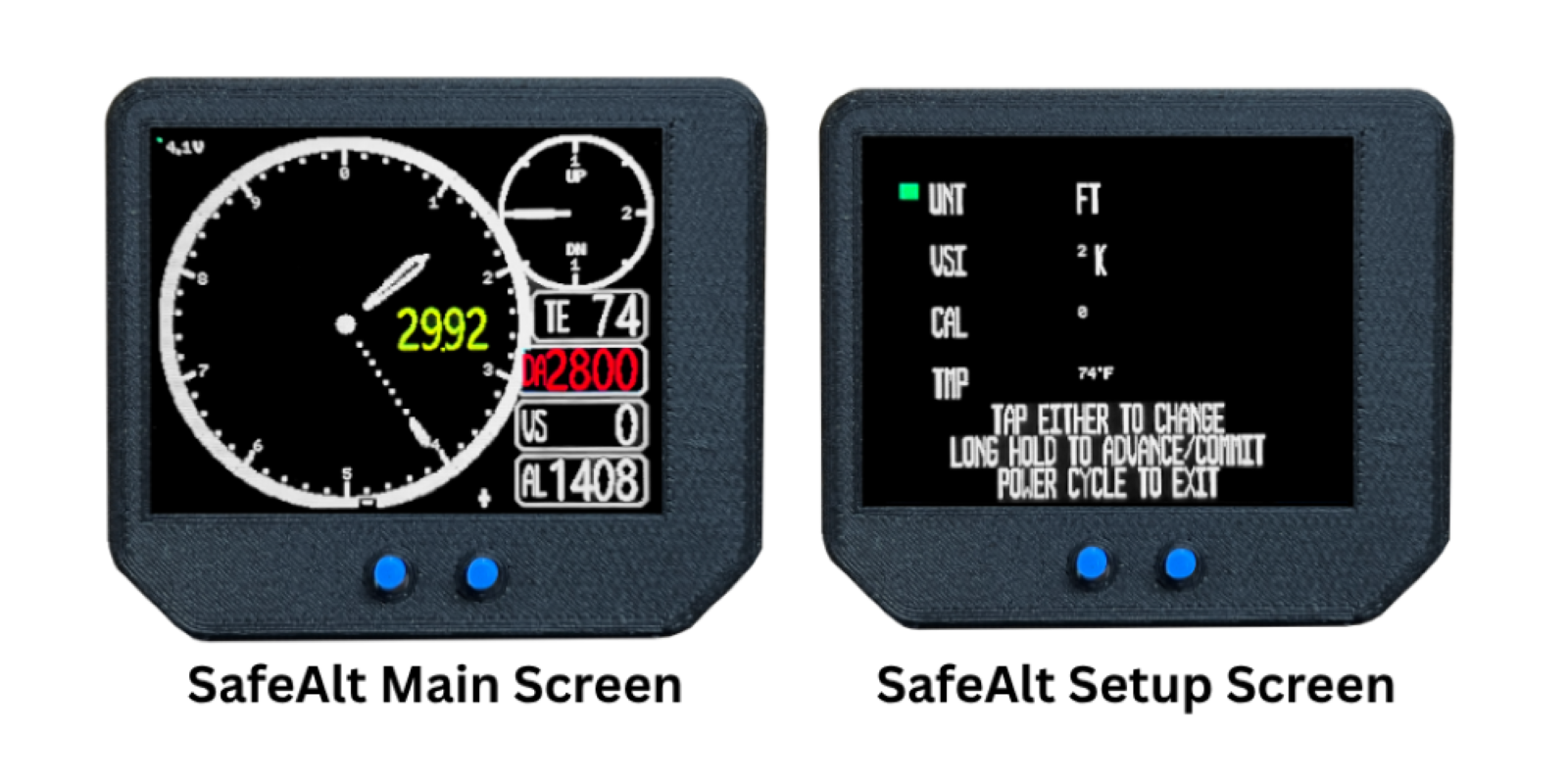
SafeAlt provides barometric altitude and vertical speed from its own pressure sensor and rechargeable battery, with no connection to the aircraft’s static plumbing or electrical system. Familiar analog needles are paired with digital readouts. Because it measures cabin pressure, compare it with your panel on ordinary flights and learn how the two differ. Its density-altitude display adds a useful preflight lesson: heat can make your airplane perform as if it were at a higher elevation. Let the instrument acclimate to shaded outside air, then consult your performance charts.
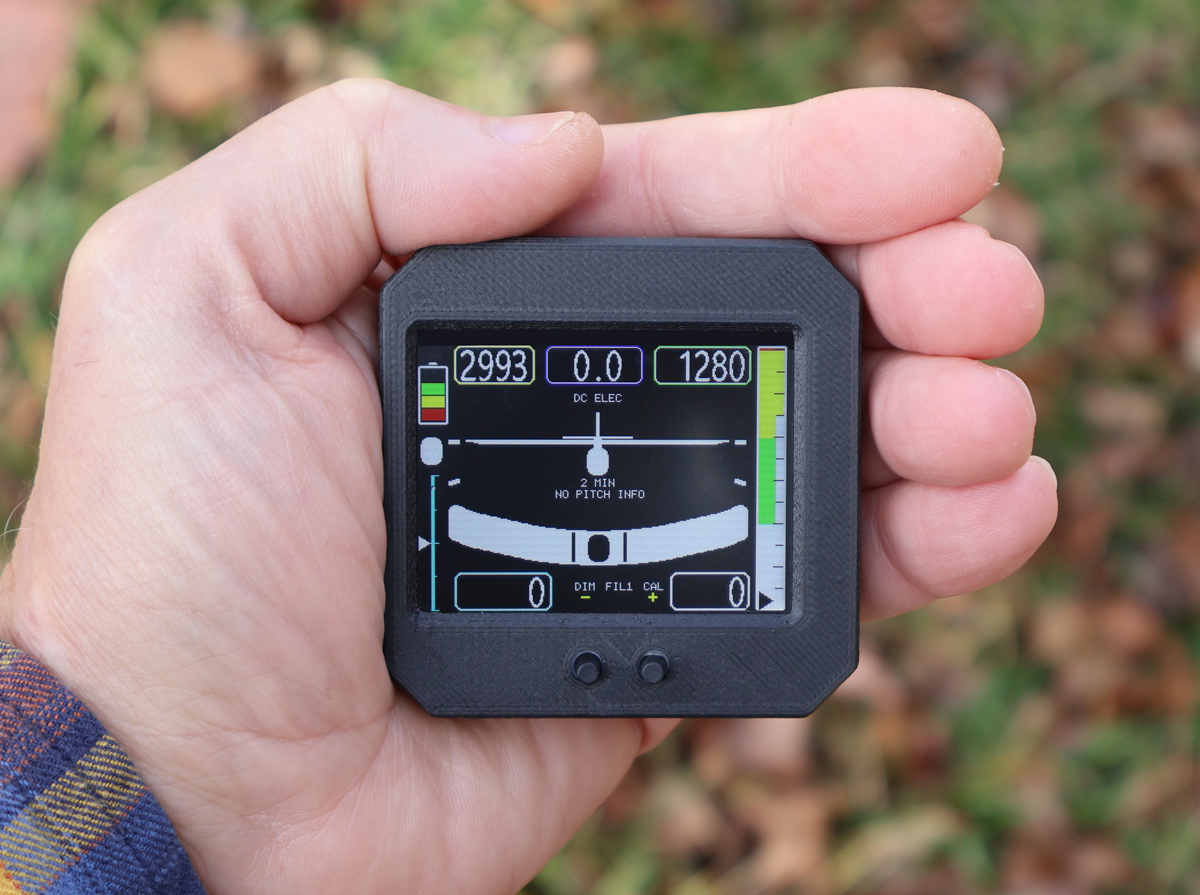
SafeTurn Plus adds gyro-based turn rate and a slip/skid ball to altitude and vertical speed. The turn information comes from an internal gyro, independent of the vacuum system and GPS, and its rechargeable battery lets it operate without aircraft power. If a panel gyro becomes questionable, you have a separate answer to whether you are turning, how fast, and whether it is coordinated.
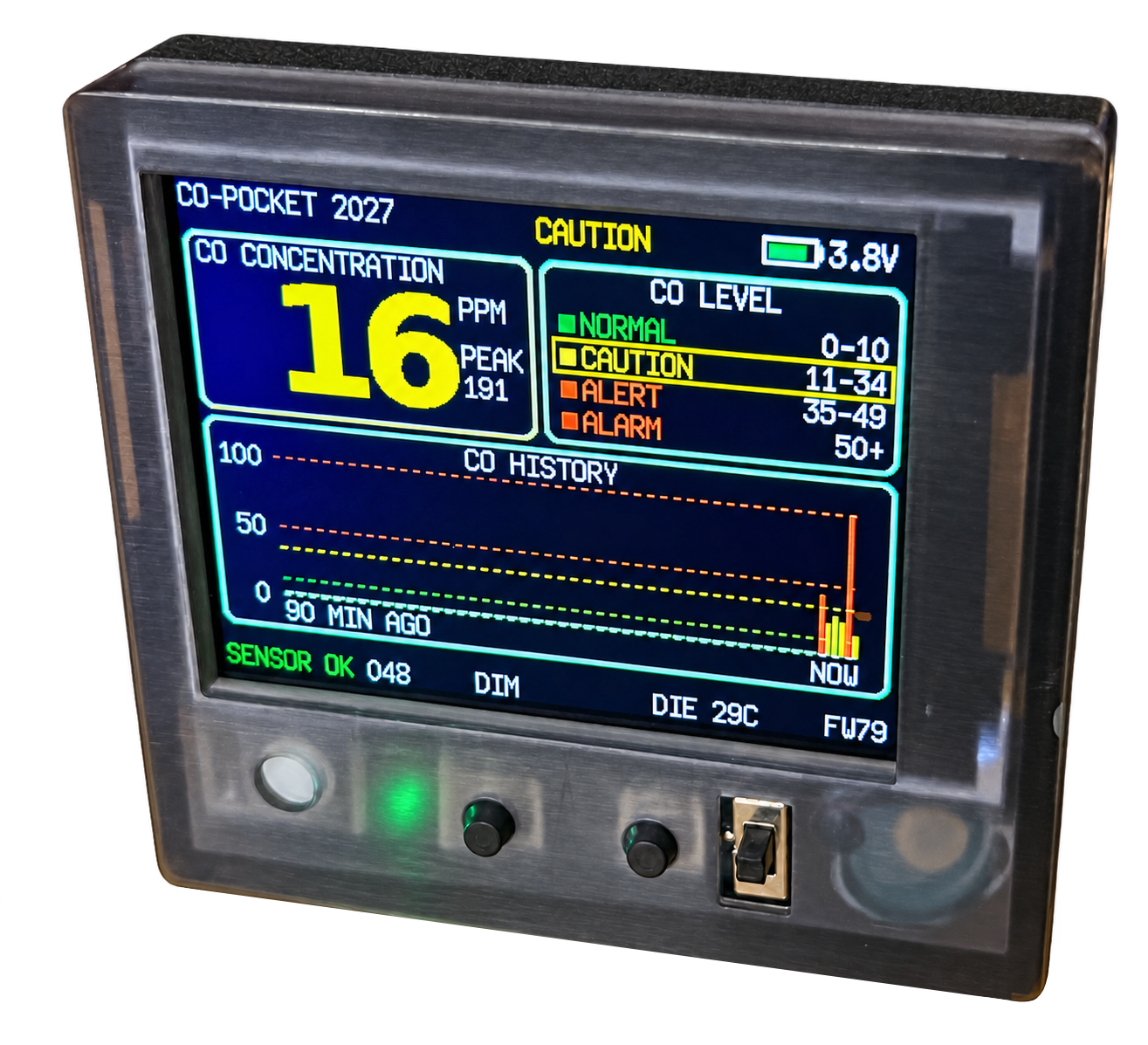
CO-Pocket-2027 covers a hazard most Cessna panels do not watch at all. Carbon monoxide has no color or smell, and an exhaust leak can put it in the cabin unnoticed. A beautiful panel may tell you nothing about that exposure. CO-Pocket-2027 gives a numerical reading and active alarms, with up to 48 hours of monitoring per charge, enough for a weekend trip. For an owner choosing a first cockpit improvement, it deserves serious consideration.
All three carry three-year limited warranties. None replaces required equipment or primary IFR instrumentation. Each is meant to be an understandable, independent source of information when you suddenly need one.
Make it part of your flying.
A backup earns trust when you already know it. Mount it where you can see and reach it, check its charge before departure, and use it on routine flights. Watching a climb develop or a turn settle connects what the airplane is doing with what the instrument shows. The device you enjoy using is the one that will run when it matters.
Radiant is a small business, a Phoenix business, rising from the ashes of a factory fire. My wife and business partner Kathy and I know that when a pilot buys our instruments, they’re trusting our engineering and judgment, and we try to earn that trust with practical designs priced with the real cost of owning an airplane in mind.
Explore SafeAlt, SafeTurn Plus, and CO-Pocket-2027 at www.radiantinstruments.com, and order directly or through Aircraft Spruce. The little instrument beside your expensive panel equipment may be more than another gadget.
It may actually be a backup. And it will always be fun.

Learn More
Explore Radiant’s Portable Backup Instruments