By Michelle Adserias
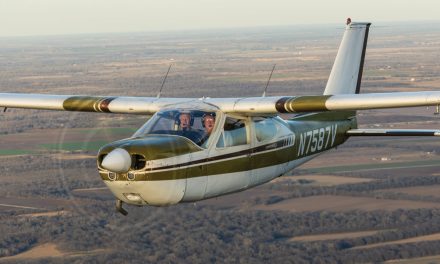
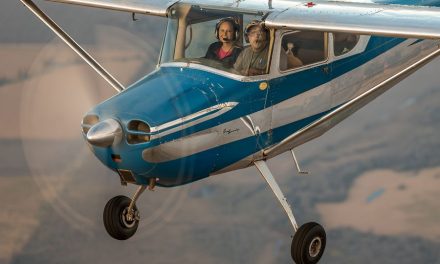
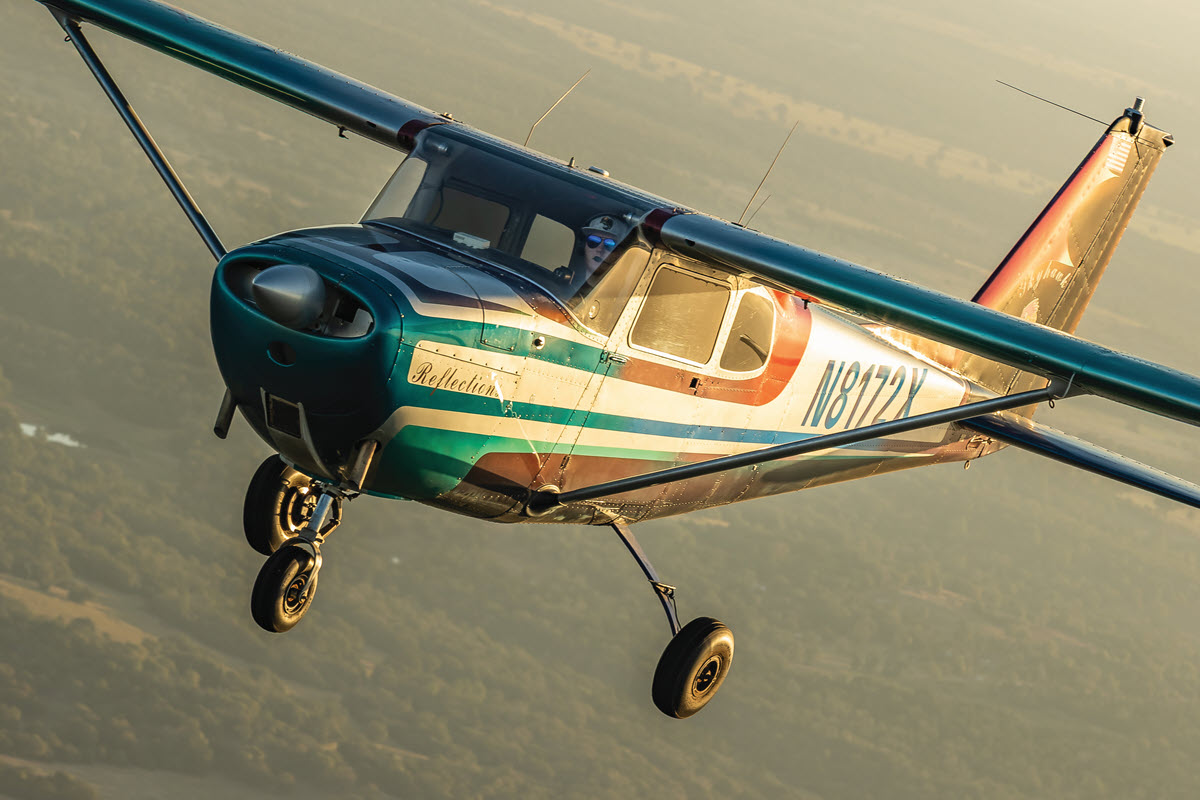
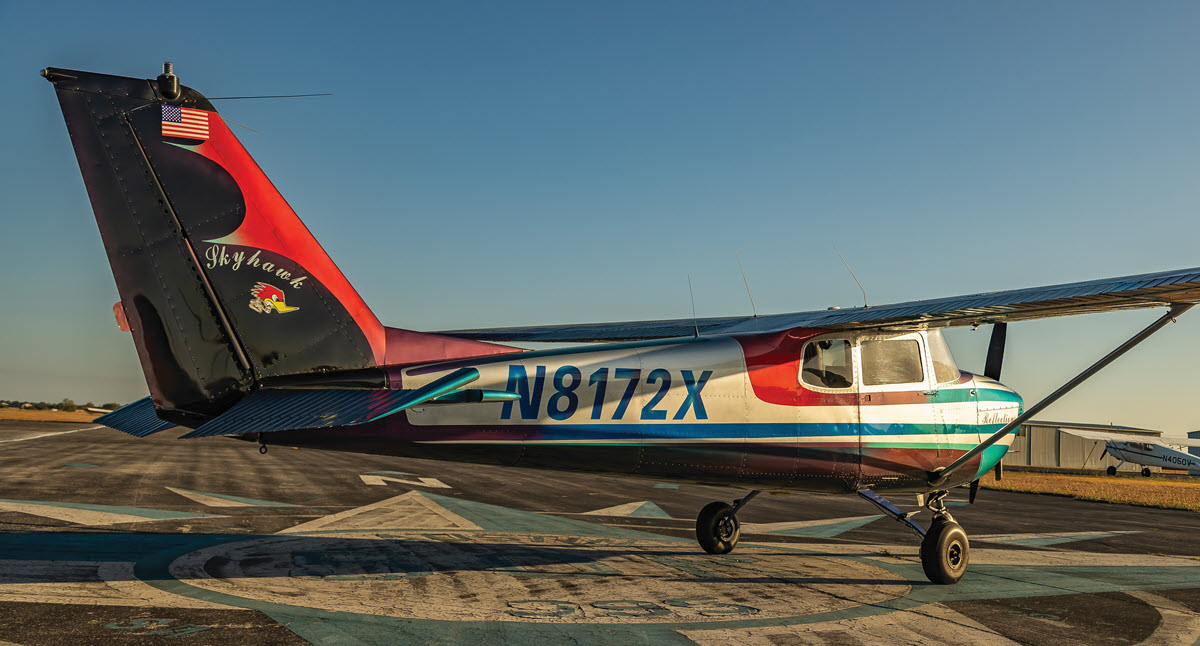
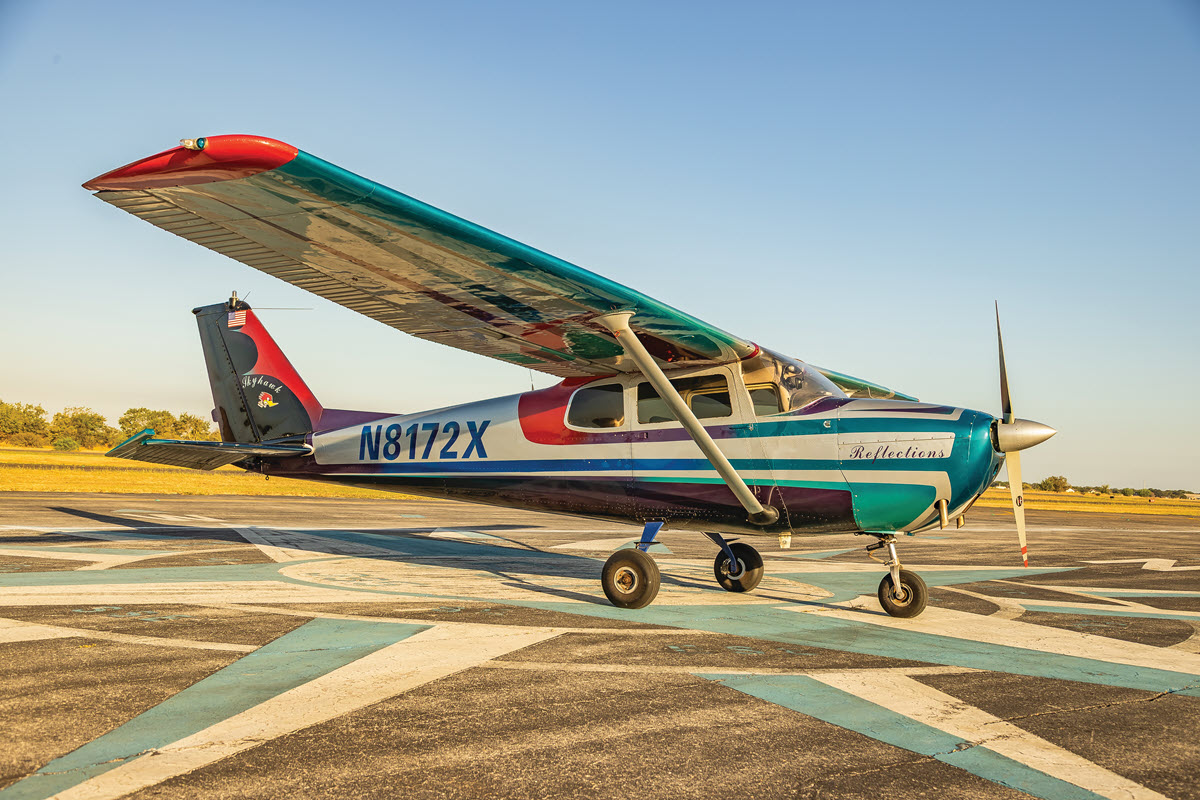
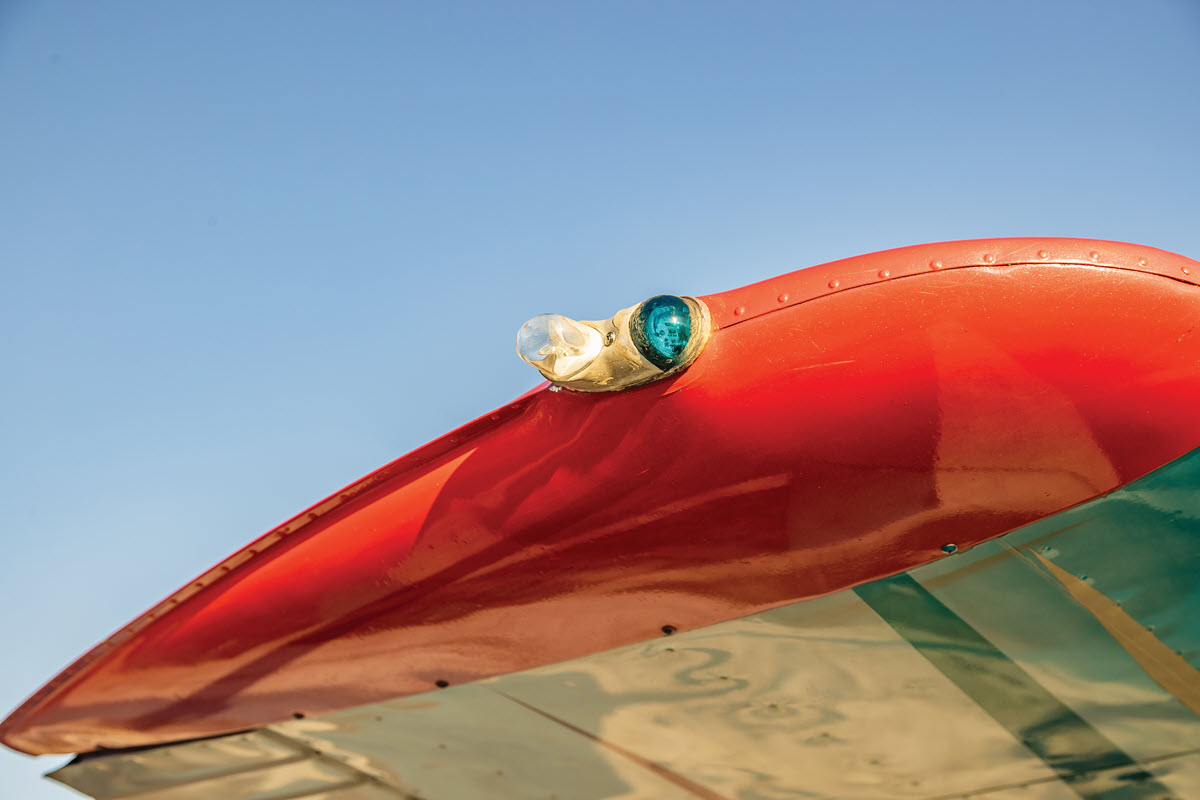
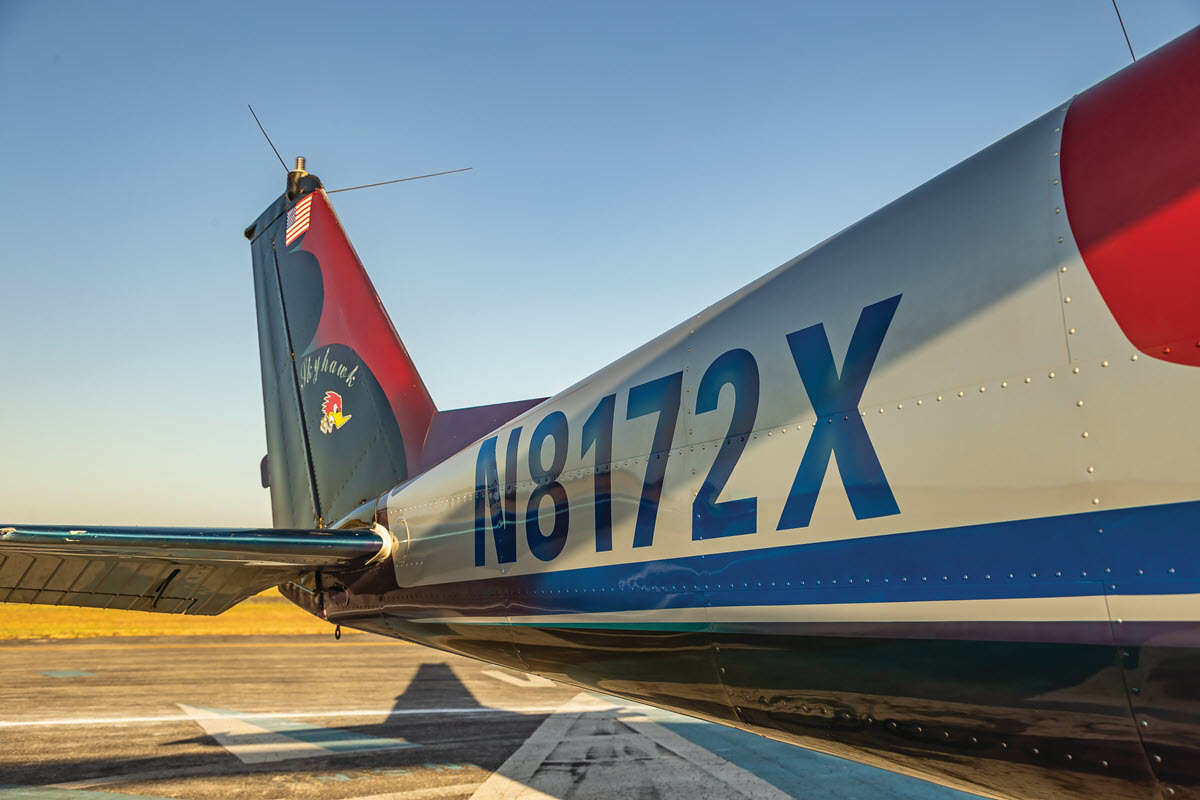
Cessna 172s are common enough. But when Conner Vital’s 1961 Cessna 172B glides onto the runway, it makes a big splash. It’s nicknamed “Reflections” after the shop that gave Conner’s airplane its eye-catching paint job (and painted the shop’s name on the cowl). Conner explained, “We purchased the airplane with the paint scheme. The old owners bought it from a four-way partnership and one of the partners owned a body shop. His buy-in was to repaint the airplane. I love the way the aircraft looks. It stands out! I love unique aircraft schemes.”
Changing Goals Into Realities
Buying this aircraft was an essential step in Conner fulfilling his lifelong ambition to become a commercial pilot. He grew up at an ultralight field and took his first flight, as a passenger, when he was just five years old, so he’s been around aviation his whole life. It’s not surprising, then, that he grew up wanting his opportunity to sit in the pilot’s seat.
He began his flight training in New Braunfels, Texas. When he was unable to find a local DPE (designated pilot examiner), he went to Minnesota where he completed his certifications from private through single commercial. He returned to the South to complete his multi-commercial certification in Oklahoma.
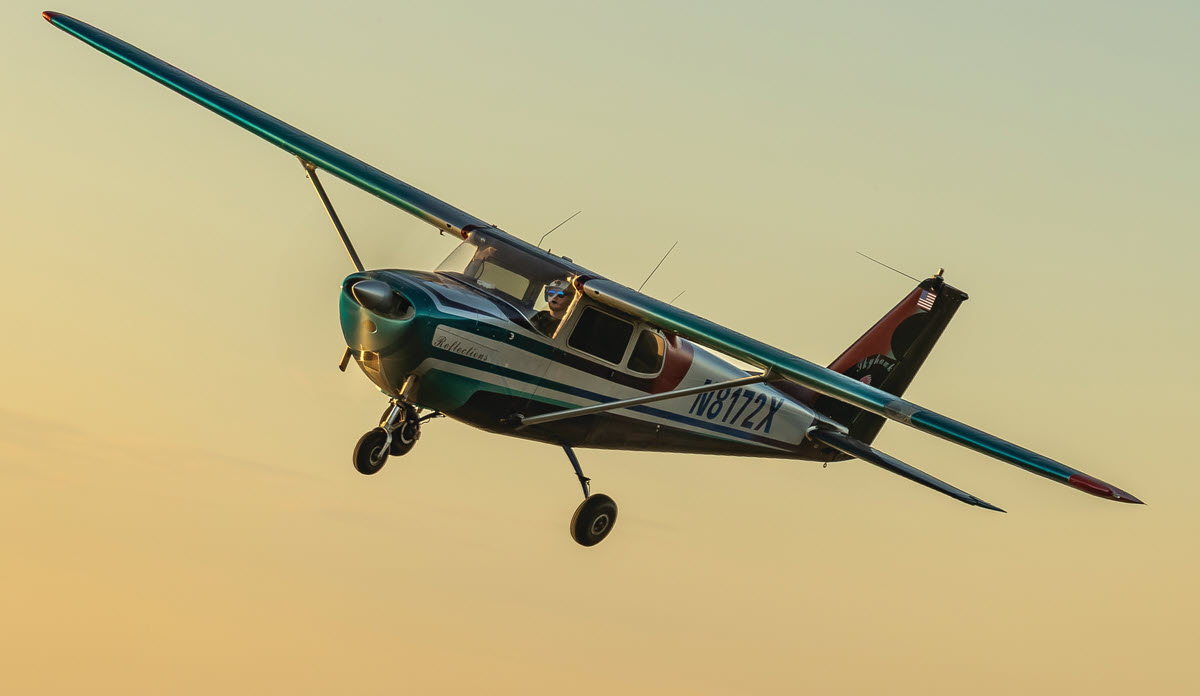
While he initially purchased N8172X to complete his certifications and log the hours he needed to complete his ratings, Conner also flies his private airplane for pleasure; not only the pleasure of visiting destinations such as Port Aransas, with its views of the beach, or the classic airport diner at Fredericksburg, Texas, but for the pleasure of spending time with his passengers and introducing them to the excitement of soaring through the skies.
One of his most memorable moments was taking his grandmother on her first sunset flight. She loves sunsets and Conner was thrilled to give her a new perspective on something that brings her so much joy. “To be able to share that experience with her was forever remarkable,” Conner said.
More About N8172X
When Conner purchased N8172X, it was in decent condition, but it had been sitting for five years. So, the first order of business was putting it through a thorough annual. Then the upgrades began.
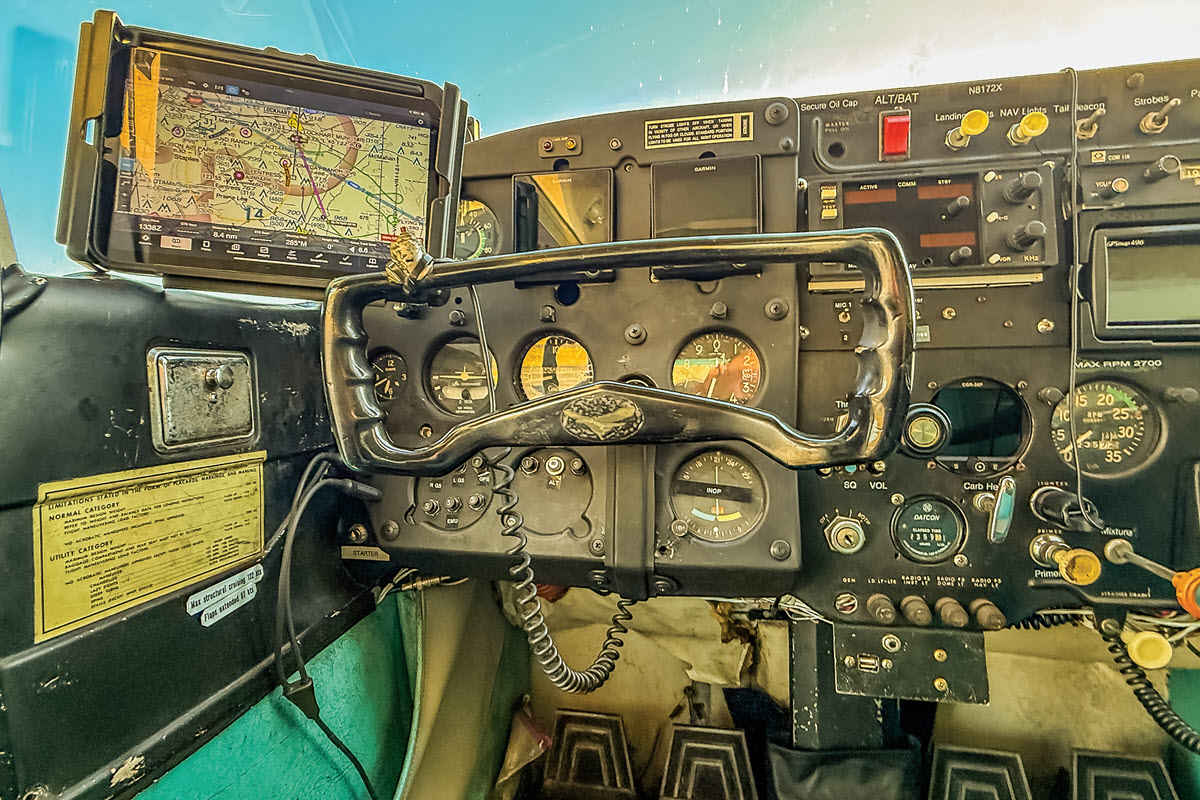
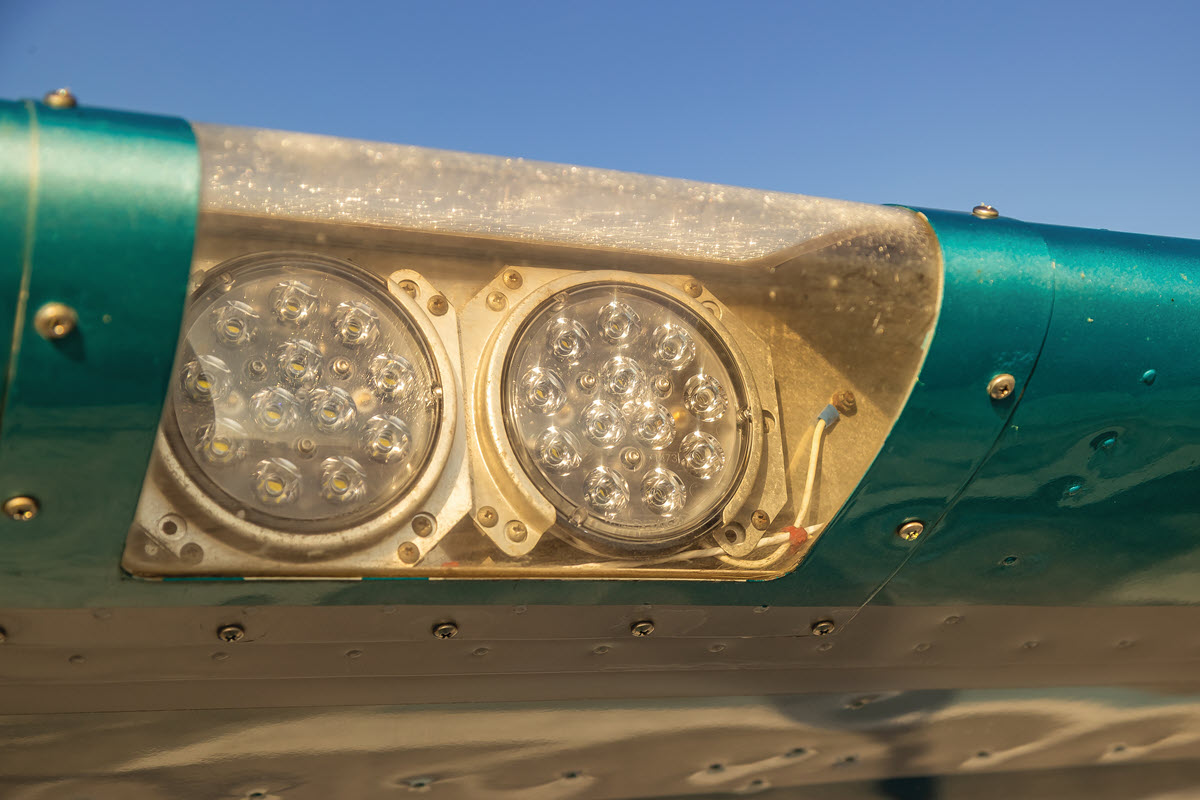
This Cessna 172 still had its original six-pack avionics and radio. These were removed and, after doing a firewall forward overhaul, it was fitted with dual Garmin G5s, a Garmin GPSMAP 496, a VFR GPS, and a Garmin GTX-327 transponder.
Next came a new engine (the old engine had 30 years of wear and tear on it) and a CGR-30P premium engine monitor from Electronics International. The engine mount was sent out for an overhaul and every wire, fuel/oil line was replaced.
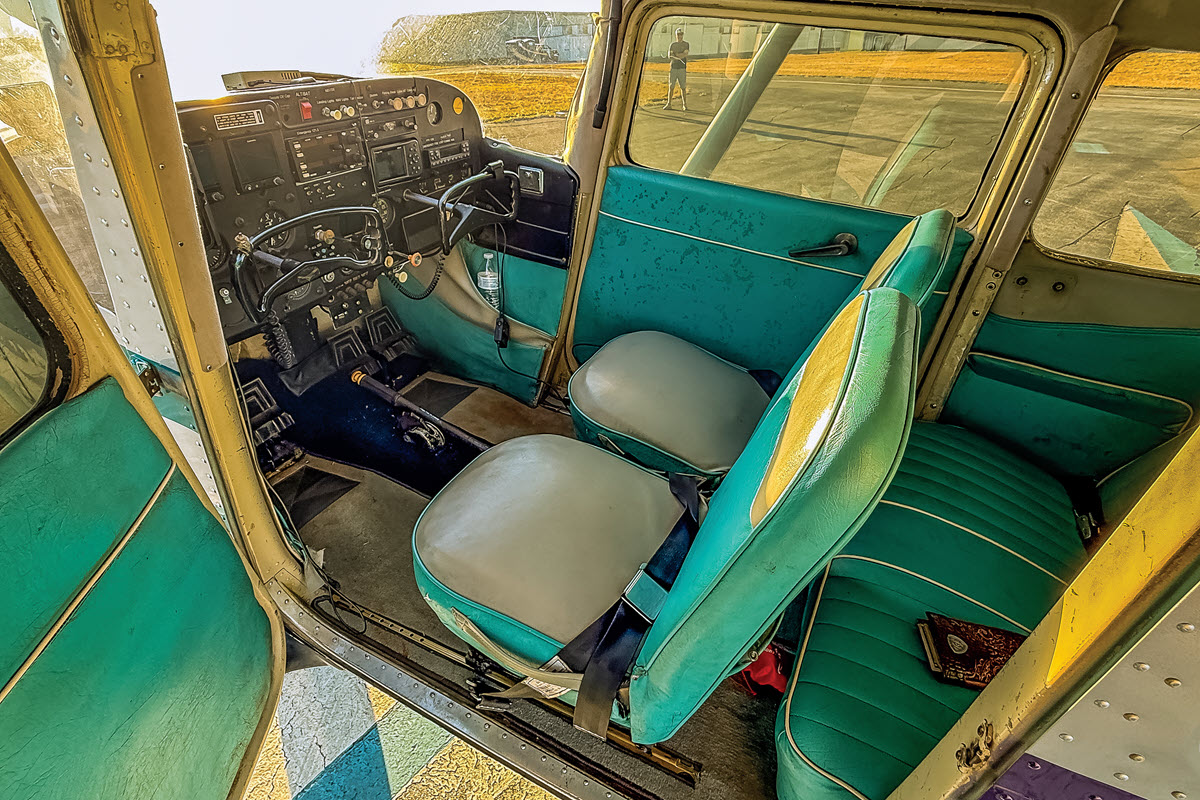
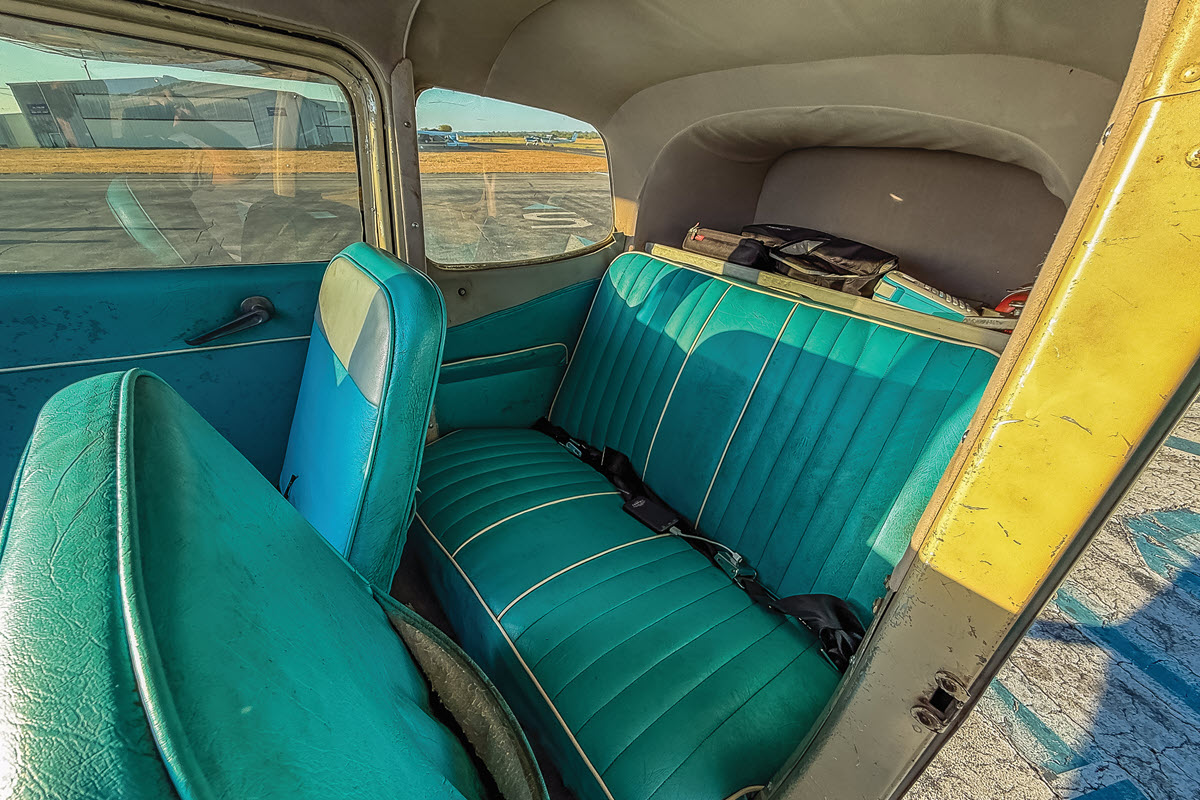
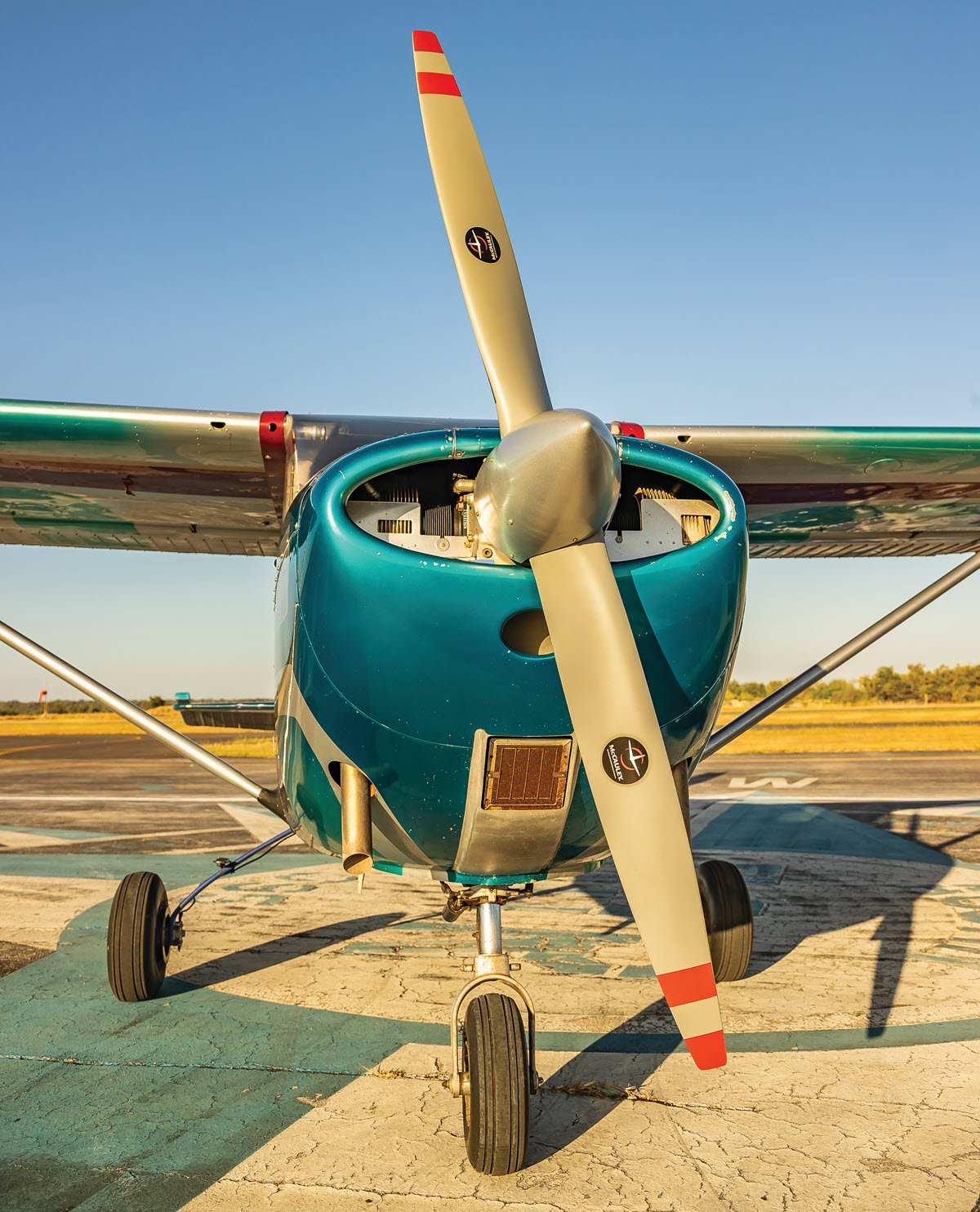
The propeller was also overhauled. It was repitched to improve climb and got a new gray and red paint scheme. And, last but not least, the interior got new carpeting.
When asked whether there were any plans for more renovations in the near future, Conner said, “At the current moment, no. Just keep the bird flying in tip top shape.”
He went on to say, “These are great aircraft and simple operations allow for easy annuals and longevity of the aircraft.” While Cessna no longer offers direct support for some aging 172s, parts are readily available through other outlets. Conner often turns to Aircraft Spruce or Falcon Crest when trying to track down parts. If he can’t find it there, he’s had a great deal of success tracking down specific items at aircraft part’s yards by just searching the internet.
There’s only one thing Conner would change about his plane. He’d give it a little more power. “The O-300 is an awesome engine and smooth, but sometimes in the Texas heat I’d love to have extra horsepower.”
Keeping it in the Skies
Conner currently flies about 100 hours each year. However, in the upcoming months, as he does some more time building, he plans to add hours to his current routine. He budgets about $100 per hour to cover fuel costs (N8172X burns about 6-7 gallons per hour) and maintenance. The affordability and reliability of the Cessna 172 continues making it one of the company’s most successful airplanes.
THE CESSNA 172B
The Cessna 172, aka the Cessna Skyhawk, was introduced by the Cessna Aircraft Company (now part of Textron Aviation) in 1956. Amazingly, it is still in production today. Over the nearly 70 years since this plane became a key player in private aviation, more than 44,000 have been produced. In fact, there have been more Cessna 172s built than any other aircraft.
The foundational design of the original Cessna 172 was based on the 170, with some important changes. Tricycle landing gear replaced the taildragger configuration. The elevators were enlarged, and the tail fin took on a more angular design. It was an immediate success.
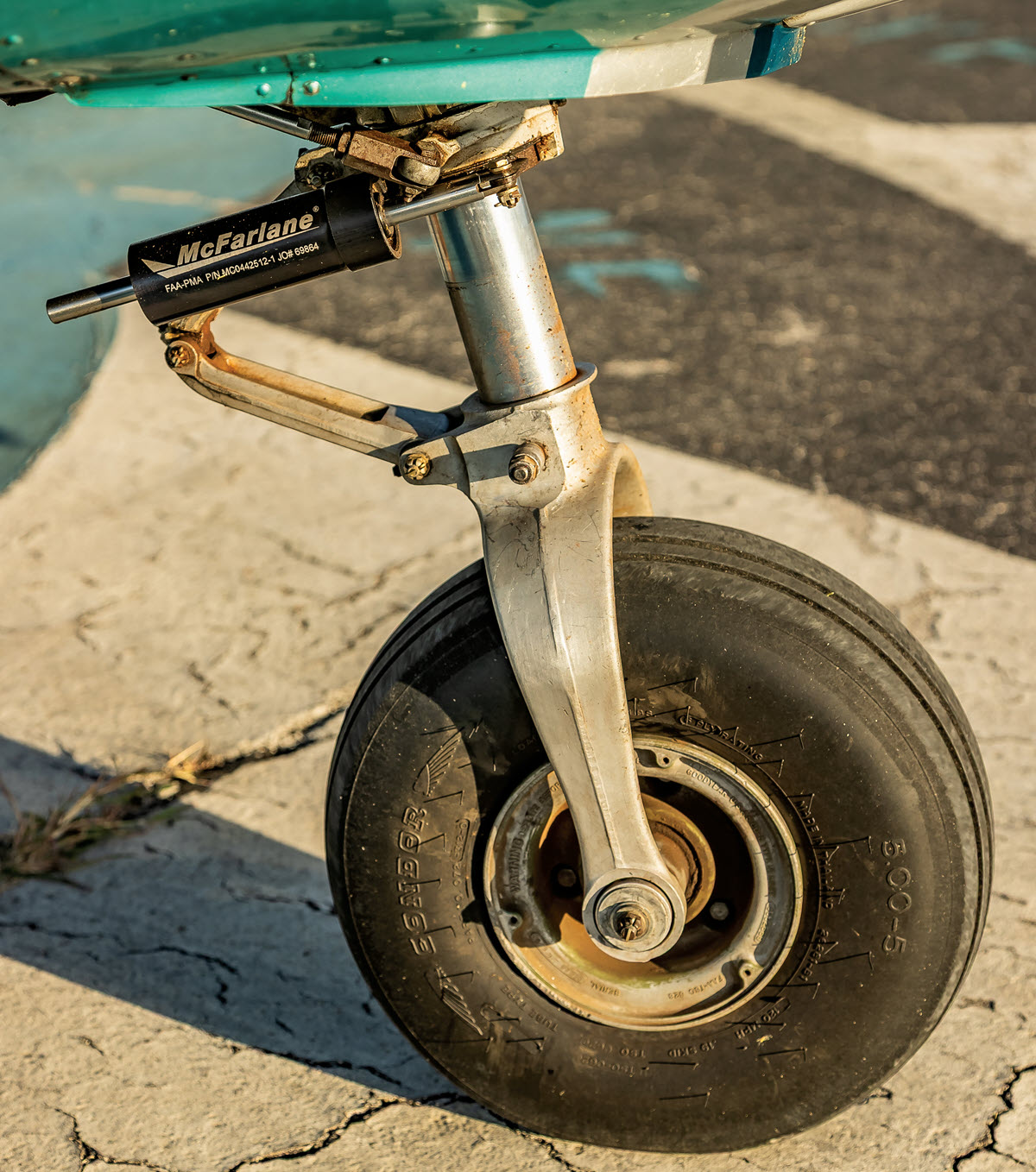
In 1960, the Cessna 172 underwent a few changes to the landing gear and tail fin. When the 172B was introduced in 1961, it featured shorter landing gear, a reshaped engine cowling, and a pointed propeller spinner.
The Cessna 172B is a four-seat, single-engine, high-wing airplane. Because it is affordable to purchase and maintain, is straightforward to fly, and is reliable, it is extremely popular among student pilots, flight instructors, and general aviation pilots.
Have a website login already? Log in and start reading now.
Never created a website login before? Find your Customer Number (it’s on your mailing label) and register here.
JOIN HERE
Still have questions? Contact us here.